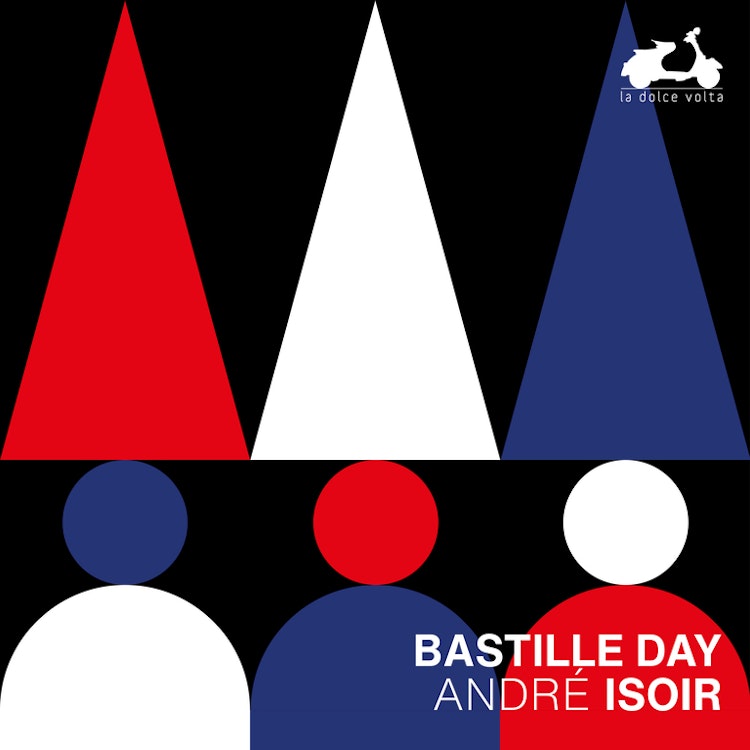
This album was recorded across three different organs: the François-Henri Cliquot organ in Poitiers Cathedral, the Kern organ in Saint-Séverin, Paris, and the Haerpfer and Erman organ in Saint-Germain-des-Prés, Paris.
Composition History
Claude-Bénigne Balbastre's "Marche des Marseillois" (1792) was dedicated "to the brave defenders of the French Republic" and was likely performed at his last public appearance at Notre-Dame in 1793.
Composer Biography
Nicolas Séjan, a composer on this album, was the first organ professor at the newly founded Institut national de musique (Conservatoire) in 1795.
Historical Context
The album offers a historical exploration of organ music during the French Revolution.
Compositional Technique
Michel Corrette's "Musette" is written on a single staff, with the left hand playing a tonic pedal, and its modal harmonies evoke the sound of binious berrichons (a type of bagpipe).
Performer Biography
André Isoir, the organist on this album, is described as having abundant wit and humor in his playing.
Composer Biography
Claude-Bénigne Balbastre, a composer featured on this album, was Marie-Antoinette's harpsichord teacher and drew such crowds to Notre-Dame that the Archbishop of Paris banned midnight masses due to the disorder.
You might also enjoy...
An Anthology of American Organ Music: Vol. 1 - The Eighteenth Century
Gillian Weir - A Celebration, Vol. 3 - Marchand
18th Century Organ Sonatas - Ligurian Organ Treasures Vol. 1
Worgan: Complete Organ Music
Cabanilles: Works for Organ
Ignazio Cirri 12 Sonatas for Organ, Op. 1
Bach, C.P.E.: Organ Works
Orgues de Sicile (Organs of the World, Vol. 1)
French Organ Music from the Golden Age Vol. 7: Louis Marchand & Jean-Adam Guilain
Nicolas de Grigny: Messe & Hymnes
Valeri: Complete Organ Music
Handel: Organ Concertos, Op. 4 & Op. 7, Transcribed for Organ Solo by Clément Loret