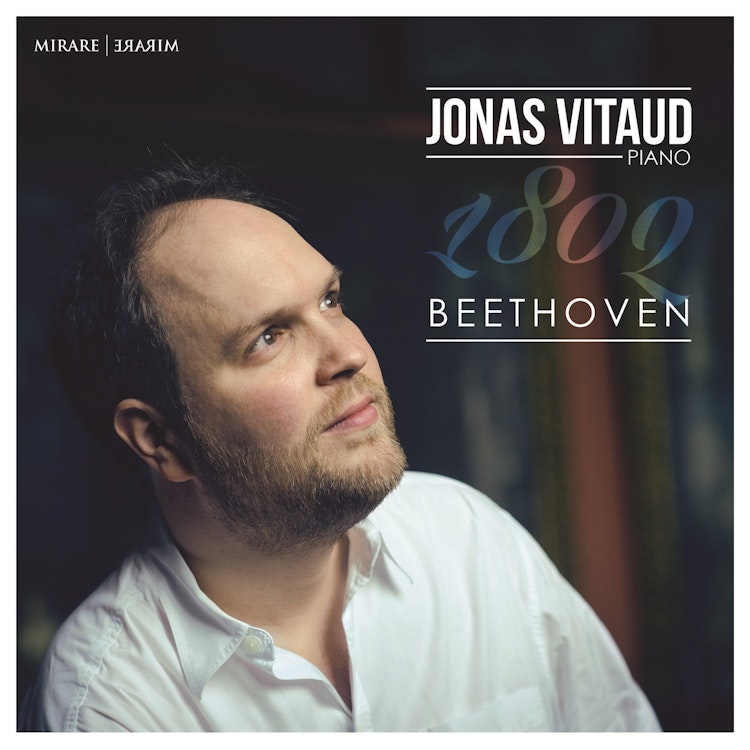
In 1802, many German philosophers and artists, including Kant, Fichte, and Goethe, admired Napoleon as a symbol of the French Revolution's ideals, especially during the "Peace of Amiens" which offered a glimpse of peaceful coexistence in Europe.
Composer's Artistic Vision
Beethoven's art was his only restraint from suicide during his period of despair, as he felt it was impossible to leave the world before expressing all he felt within himself.
Composer's Artistic Vision
The principle of hope, symbolized by Pandora's box, is central to Beethoven's work, reflecting his belief in humanity's transformation and his art's visionary nature to speak to future generations.
Composition History
Despite his personal crisis and despair in 1802, Beethoven was exceptionally prolific, composing important piano works like the Opus 31 Sonatas, Bagatelles Opus 33, and Variations Opp. 34 and 35, as well as chamber music and his Symphony No. 2.
Compositional Technique
Beethoven's Variations, Op. 34, are innovative because they are based on an original theme by the composer, unlike earlier variations, and he changes the key, tempo, and character of each variation.
Composer's Artistic Vision
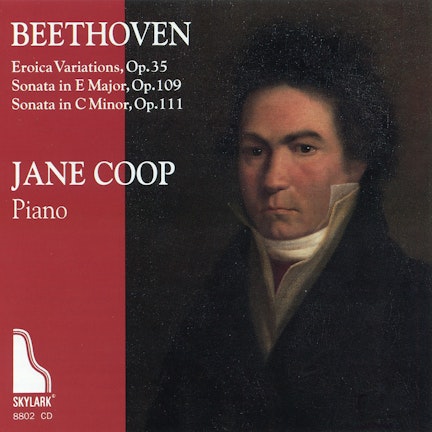
The 'Eroica' Variations, Op. 35, are named after Beethoven's 'heroic style' and are based on the Prometheus theme from his ballet "The Creatures of Prometheus," symbolizing the heroism of the Greek demigod who brought fire to humanity.
Composer Biography
In 1802, Beethoven wrote the "Heiligenstadt Testament," a moving document addressed to his brothers and all of humanity, revealing his immense suffering from his progressing hearing loss and thoughts of suicide.
You might also enjoy...
Beethoven: Piano Sonata No. 7, Eroica Variations & 6 Bagatelles