Beethoven's Opus 34 and 35, composed during a personal crisis, are filled with vitality, energy, and humor, serving as a creative counter-reaction to his misery.
Composer Biography
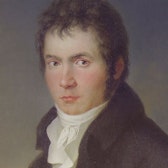
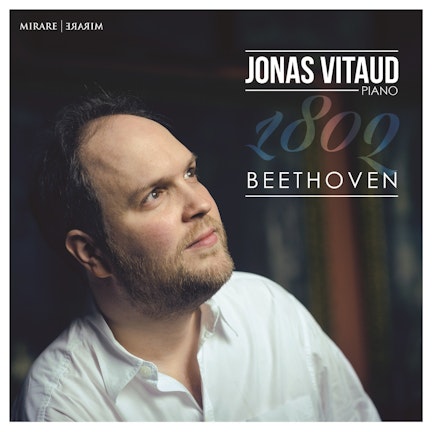
Beethoven wrote his famous Heiligenstadt Testament in 1802, expressing his despair over his increasing deafness, which was isolating him socially.
Compositional Technique
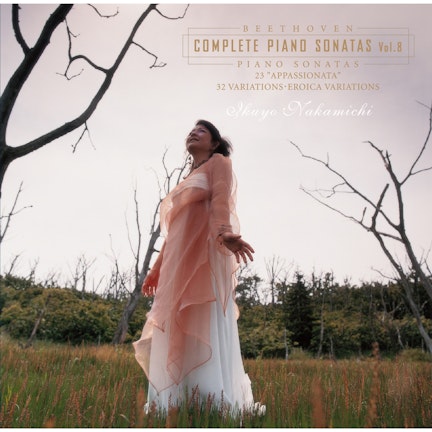
The Piano Sonata No. 23, 'Appassionata,' stands out among Beethoven's works for its implacable and desperate ending, unlike many of his other pieces that begin tragically but end triumphantly.
Performer Biography
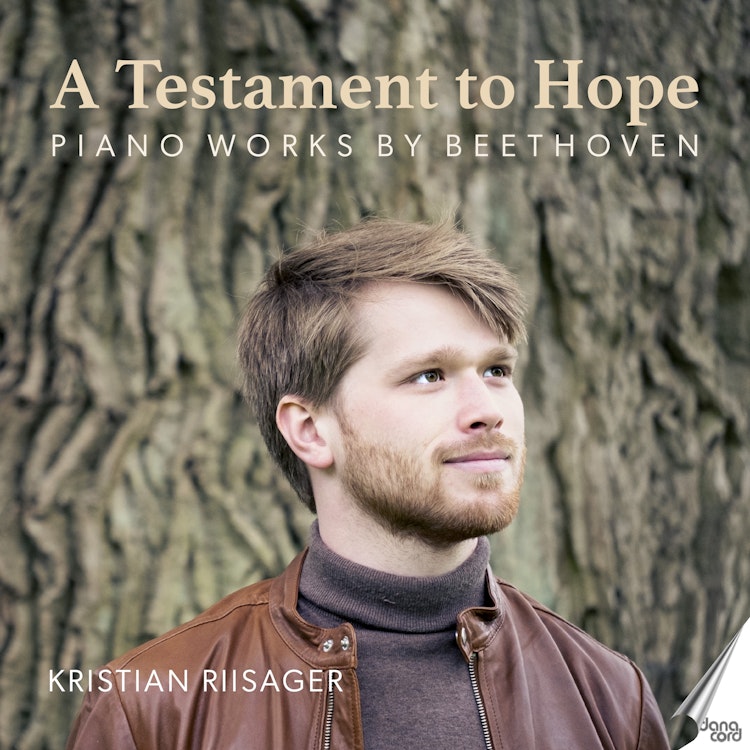
Kristian Riisager, the performer on this album, is a Danish pianist who has won prizes at several competitions, including the national Steinway Festival and Music Without Limits in Lithuania.
Composition History
The Heiligenstadt Testament and Beethoven's stay in Heiligenstadt marked a turning point in his work, ushering in a new musical era.
Compositional Technique
In Opus 34, Beethoven varies key, meter, and tempo in each variation, transforming the theme into diverse forms like a hunting melody, a minuet, and a dramatic funeral march.
Compositional Technique
Beethoven's Opus 35, known as the Eroica Variations, was groundbreaking for its time, starting with the bass line of the theme and three variations before introducing the main theme.