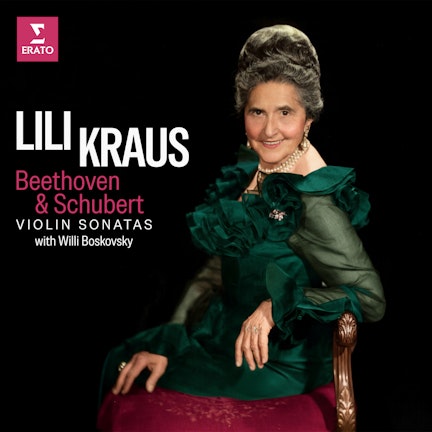
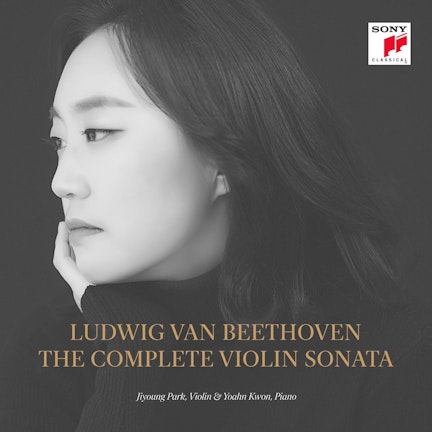
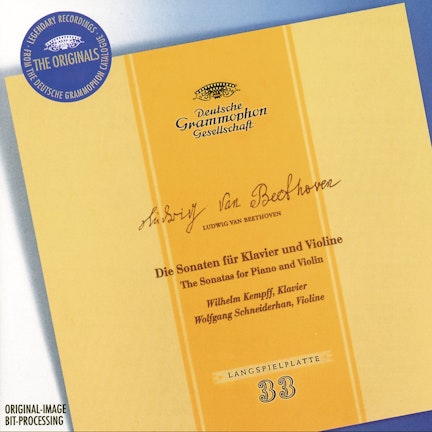
Beethoven composed all but one of his ten violin sonatas within a mere five years, from 1798 to 1803.
Critical Reception
Despite initial criticisms, Beethoven's Op. 12 sonatas were a great success, with the first edition reprinted eight times within a few years and remaining central to the violin repertoire.
Recording & Production
This recording uses original period instruments to match the types available to Beethoven, aiming for a perfect integration of sonority and interpretation.
Composer's Artistic Vision
Beethoven's Op. 12 sonatas depart from Mozart's models by being on a larger scale, demanding more from players (especially the pianist), using more extreme dynamics, and treating the instruments democratically rather than as soloist and accompanist.
Critical Reception
Beethoven's Op. 12 sonatas were initially criticized by the Allgemeine Musikalische Zeitung in 1799 as 'quite peculiar' and 'overladen with strange difficulties,' with the reviewer calling his path 'tiresome and bizarre'.
Instruments
The fortepiano used for Op. 12 on this recording is an original Viennese instrument made by Anton Walter around 1797, highly regarded by both Mozart and Beethoven.
Composition History
Beethoven dedicated his Op. 12 sonatas to Antonio Salieri, the most influential musician in Vienna at the time, likely hoping to study Italian opera with him.
You might also enjoy...
Beethoven: Sonatas for Fortepiano and Violin Volume 4
Beethoven: Violin Sonatas Nos. 1, 2, 5 "Spring" And 8
Beethoven: Violin Sonatas Nos. 1, 5 & 8
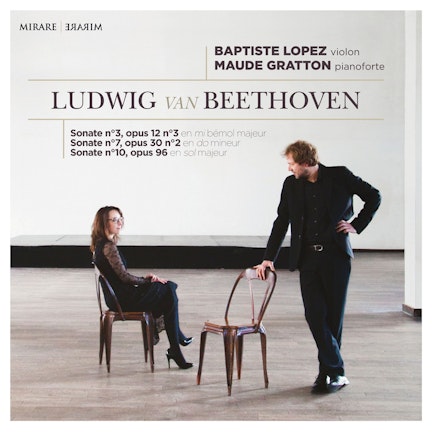
Ludwig van Beethoven: Sonatas No. 3, No. 7 & No. 10
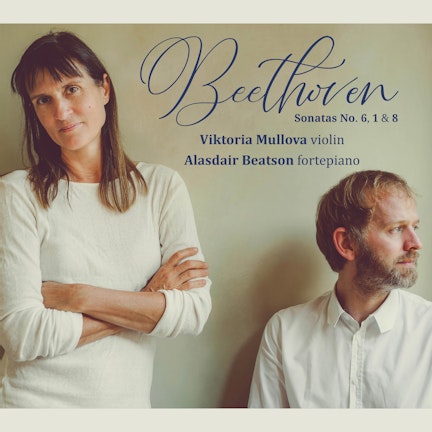
Beethoven Violin Sonatas Nos. 6, 1 and 8
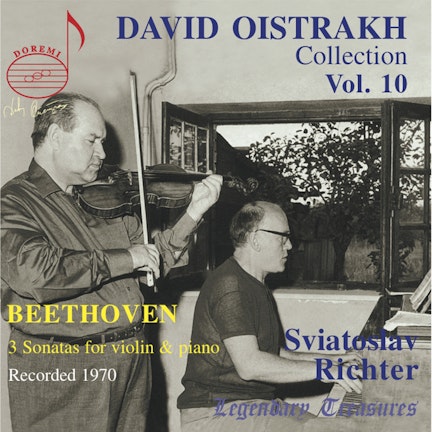
Oistrakh Collection, Vol. 10: Beethoven with Richter
Beethoven: Live from the 1998 International Violin Competition of Indianapolis
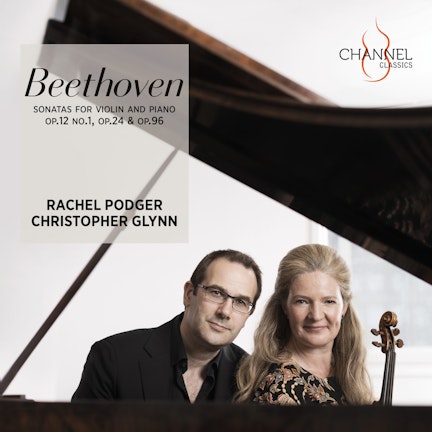
Beethoven: Sonatas for Violin and Piano Op. 12 No. 1, Op. 24 & Op. 96
Mozart & Beethoven: Sonates pour pianoforte & violon