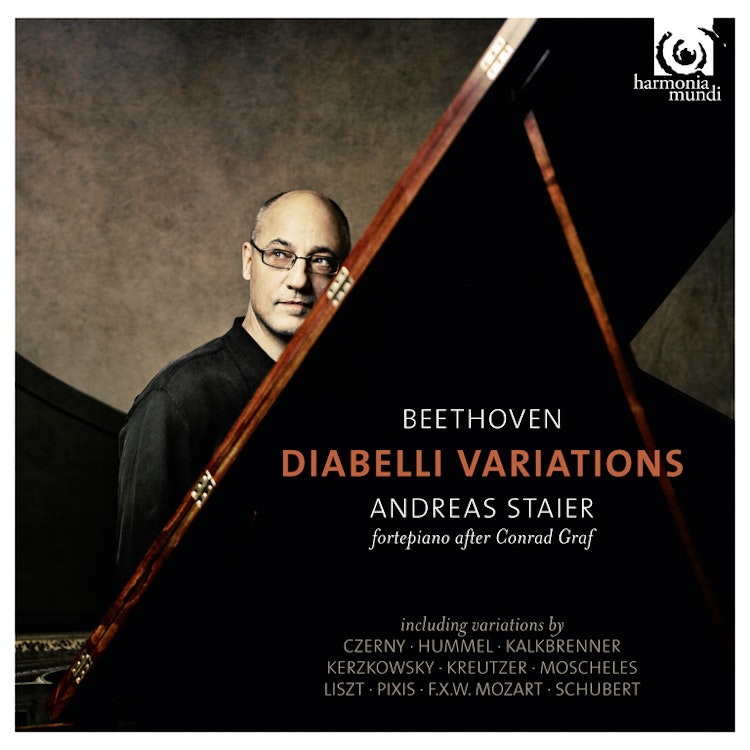
Anton Diabelli, a publisher and composer, invited fifty Austrian composers in 1819 to each contribute a single variation on his waltz theme for a collective work.
Interpretation
This recording by Andreas Staier is an 'unprecedented voyage of discovery' that reveals new aspects of the Diabelli Variations through performance on a fortepiano.
Composition History
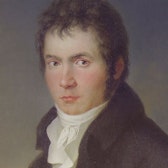
Beethoven was so inspired by Diabelli's theme and the competitive situation that he immediately began work on his variations, completing them in early 1823.
Compositional Technique
Beethoven's Diabelli Variations were composed in two phases, with ten additional variations added in late 1822/early 1823 to the original twenty-three from 1819.
Critical Reception
The Diabelli Variations are still considered a largely unknown and misunderstood masterpiece, despite being by a famous composer.
Performer Biography
Andreas Staier, born in 1955, is a renowned harpsichordist and fortepianist who has received numerous international awards for his recordings.
Composition History
The Diabelli Variations are Beethoven's last great piano work and his most substantial set of variations.
You might also enjoy...
Luzzaschi & Agostini: Le concert secret des Dames de Ferrare
Love Is the Cause: Scottish Tunes for Viola da gamba & baroque Guitar
Wild Dance
Stephen Foster Songs
La cetra d'Orfeo
Le musiche di Bellerofonte Castaldi
Asphalt Cocktail: The Music of John Mackey
Castaldi: Ferita d'amore (Musiche in habito tiorbesco)
Petite Pieces for Trumpet & Piano
Bloch: Suite Hebraique / Cherney: Music for A Summer Wedding