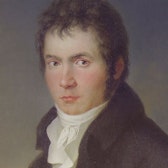
After facing deafness, Beethoven embarked on what he called 'a new path,' moving away from the reasoned style of his predecessors to explore inner life, dreams, and the soul.
Critical Reception
Beethoven's final sonata, Op. 111, was long misunderstood and only gained lasting public acceptance in the mid-19th century through performances by Hans von Bülow.
Composition History
The Sonata No. 28, Op. 101, was expressly designated for the 'Hammerklavier,' marking a shift from the 'piano-forte' and inaugurating Beethoven's last creative period.
Composer Biography
Beethoven was initially known as a virtuoso pianist and improviser, but the onset of deafness around 1802 led him to stop performing as a solo pianist.
Interpretation
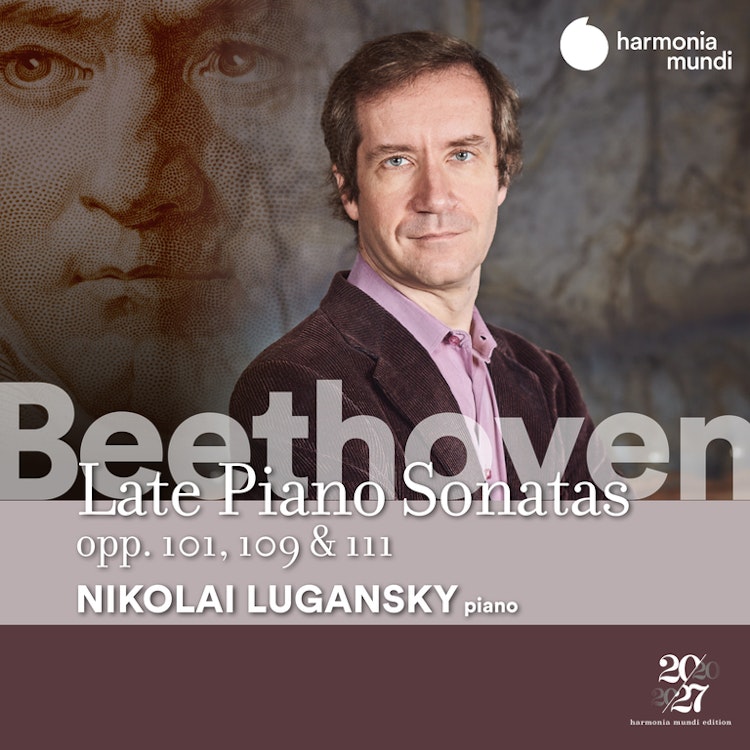
The Harmonia Mundi project aims to offer new interpretations of Beethoven's works, sometimes challenging traditional performance practices and consulting original manuscripts.
Composition History
The last three sonatas in the Beethovenian cycle, including those on this album, were conceived in a single creative burst following the monumental 'Hammerklavier' Sonata, Op. 106.
Recording & Production
This album is part of a Harmonia Mundi collection running from 2020 to 2027, commemorating the 250th anniversary of Beethoven's birth and the 200th anniversary of his death.
You might also enjoy...
Beethoven: The Piano Sonatas, Volume VIII
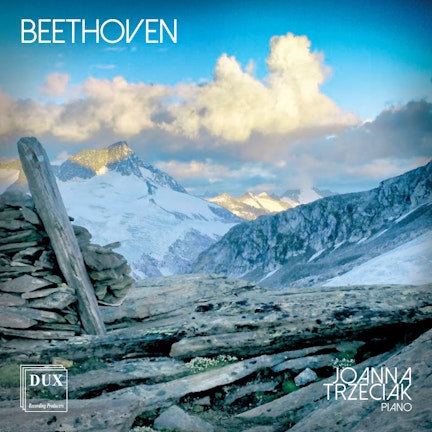
Beethoven
Beethoven: Complete Piano Sonatas, Vol. 9
Beethoven: Complete Piano Sonata Vol.11
Beethoven: 6 Variations on an Original Theme & Piano Sonatas Nos. 8 and 30
Sonorités perdues
A Single Breath: Beethoven's Last Three Piano Sonatas
Beethoven: The Last Sonatas
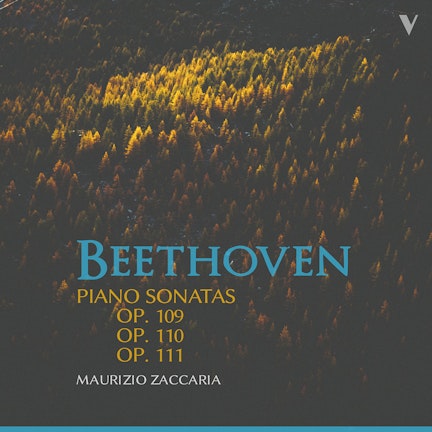
Beethoven: Piano Sonatas, Opp. 109-111
Beethoven: Piano Sonatas, Op. 109, 110 & 111
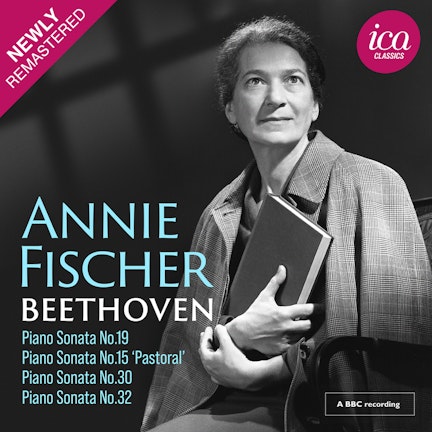
Beethoven: Piano Sonatas Nos. 19, 15 "Pastoral", 30 & 32