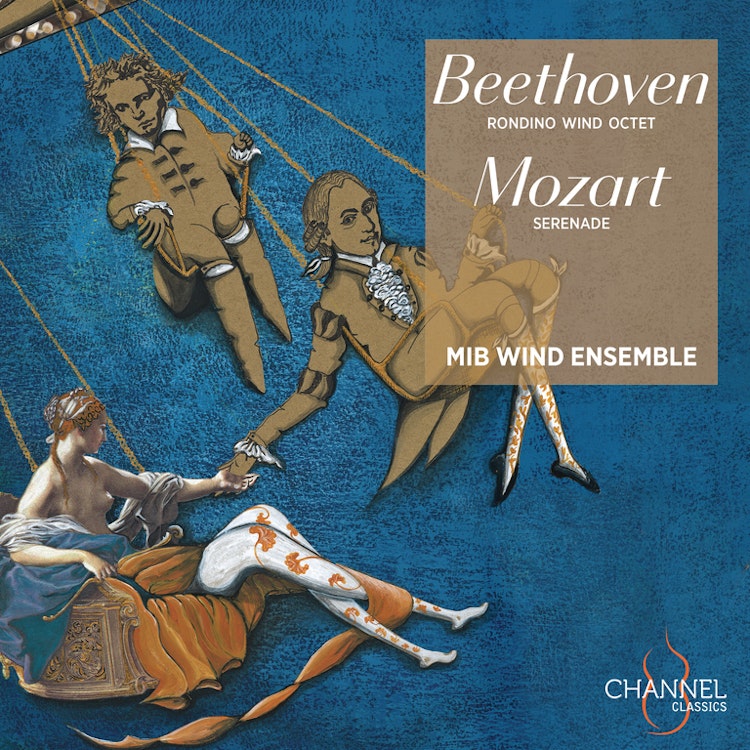
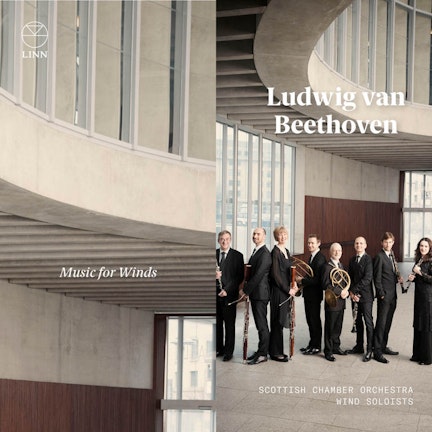
Beethoven's Rondo in E flat major, WoO 25, likely an alternative final movement for his Octet, features horns prominently, possibly alluding to country life, woods, and hunting.
Historical Context
Mozart's Serenade in C minor, K388, was composed in 1782, a time when he was eager to have his music performed at the Imperial Court in Vienna.
Composition History
Beethoven's Octet in E flat major, Op. 103, was likely composed for Maximilian Franz, Elector of Cologne, who enjoyed music during supper, and dates from just before Beethoven moved to Vienna.
Composer Biography
Beethoven was officially employed by Maximilian Franz, Elector of Cologne and brother of Emperor Joseph II, from the age of fourteen.
Performer Biography
The MIB Wind Ensemble consists of lead players from major Italian and European orchestras, who studied at prestigious European music schools.
Critical Reception
Wind music was considered 'light' music and not among the genres like string quartet, piano sonata, or symphony that Beethoven intended to pursue, following Haydn's example.
Compositional Technique
Mozart's Serenade in C minor, K388, is a serious work for eight-part wind band, featuring chromaticism, dramatic leaps, and dissonances, unlike typical polite entertainment pieces.
You might also enjoy...
Mozart: Quintet K. 452 & Beethoven: Quintet op. 16