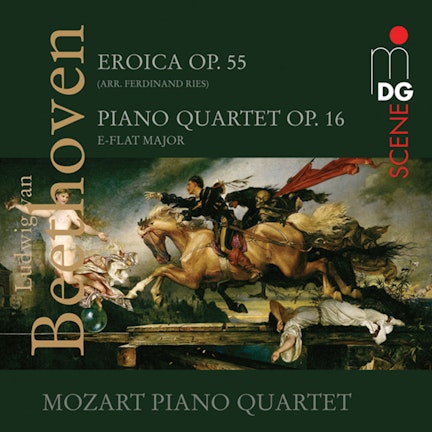
Beethoven's Sextet in E flat major, Op 81b, has a misleadingly late opus number because it was not published until 1810, but it was likely written around 1795.
Cultural Impact
The Beethoven combination of instruments in the Septet was widely imitated, leading to the development of a new genre of large-scale chamber music, influencing composers like Schubert and Spohr.
Critical Reception
Beethoven's Septet was so popular among his contemporaries that the composer eventually resented its success, believing it overshadowed his more mature works.
Composer Biography
Nicolaus Simrock, the Bonn publisher of Beethoven's Sextet, played second horn in the electoral orchestra at Bonn and was a friend of Beethoven's since 1789, when Beethoven joined the orchestra as a viola player.
Historical Context
Before the Classical period, most chamber music was for strings, with louder wind and brass instruments generally confined to orchestras until manufacturing and playing techniques advanced in the second half of the 18th century.
Composition History
Beethoven's Septet in E flat major, Op 20, was premiered at his first benefit concert in the Burgtheater on April 2, 1800, which also included the first performance of his Symphony No. 1.
Compositional Technique
In his Septet, Beethoven broke new ground in scoring by using only single wind instruments (clarinet, horn, bassoon) and including a double bass in the string section for added weight, freeing instruments from traditional roles.
You might also enjoy...
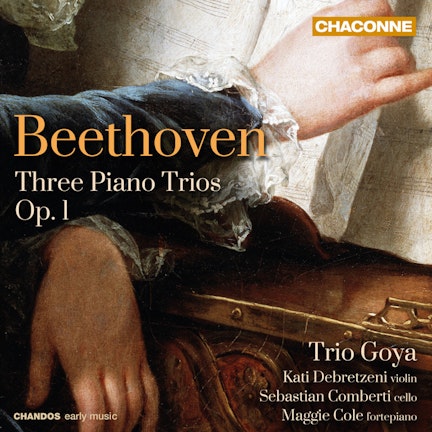
Beethoven: Piano Trios Nos. 1-3
Beethoven: Piano Trios 5-7, 9 & Variations on an Original Theme
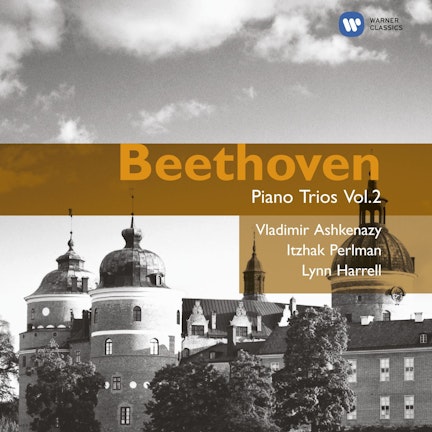
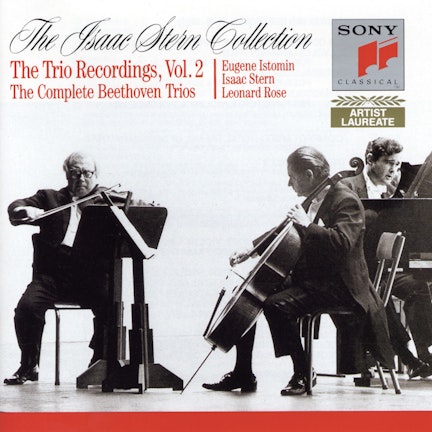
The Trio Recordings, Vol. 2 / The Complete Beethoven Piano Trios
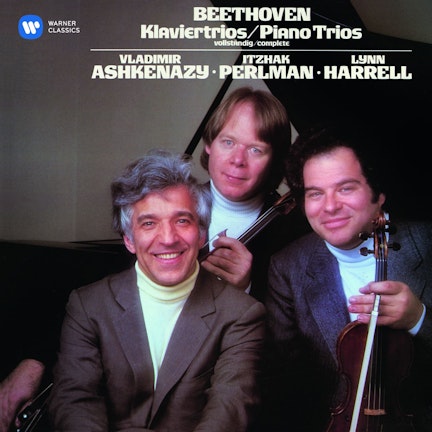
Beethoven: Complete Piano Trios
Beethoven: Piano Quartet, Op. 16; String Quintet, Op. 104 etc.
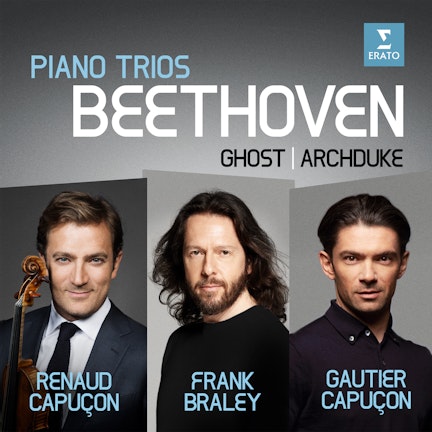
Beethoven: Piano Trios No. 5, "Ghost" & No. 7, "Archduke"
Beethoven: Piano Trios Opp.1 No.1,11,70, No.1 & 97