Beethoven received a new piano from London maker Thomas Broadwood in 1818, which later passed to Franz Liszt and is now in the Hungarian National Museum.
Instruments
Anton Walter, a prominent piano maker in Vienna when Beethoven arrived, extended keyboard range to six octaves, and Beethoven composed and played over half his sonatas on this type of piano.
Recording & Production
This recording is a result of a partnership between Outhere Music and MA Competition Bruges, Belgium, with Tomasz Ritter winning first prize in 2024.
Composer's Artistic Vision
The last three sonatas, Op. 109, 110, and 111, are considered a triptych that synthesizes Beethoven's creative thought, blending free forms, genres, fugue, and variations.
Compositional Technique
Beethoven's Sonata Op. 109 ends with a slow movement featuring a theme and six daring variations, concluding peacefully with a return to the cantabile.
Instruments
The album features three fortepianos from the Chris Maene Collection, including replicas of instruments by Anton Walter (1795) and Nannette Streicher (1808), and a restored John Broadwood (1812).
Composer Biography
Beethoven twice used pianos from French and English makers, despite living in Vienna, a city known for its 'Viennese' piano-making tradition.
You might also enjoy...
Beethoven, L. Van: Piano Works (Complete), Vol. 5 - Sonatas Nos. 16-18
Beethoven, L. Van: Piano Works (Complete), Vol. 7 - Sonatas Nos. 26, 27, 29
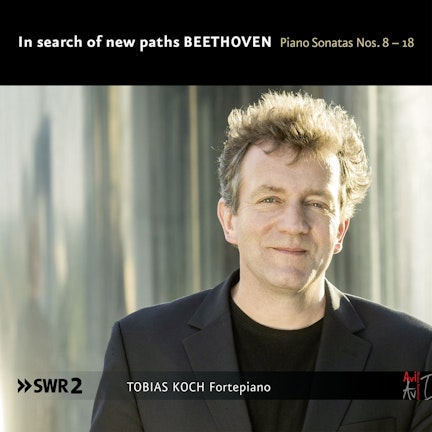
Beethoven: Piano Sonatas Nos. 8-18 "On search of new paths"
Beethoven: Piano Sonatas Nos. 8-18 "On search of new paths"
Beethoven: The Piano Sonatas, Vol. 4
Beethoven: The Complete Piano Sonatas
Beethoven: Kurfürsten Sonatas
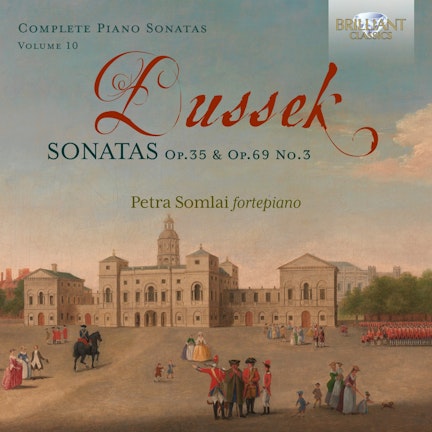
Dussek: Sonatas, Op. 35 & Op.69 No.3, Vol. 10
Beethoven, L. Van: Piano Works (Complete), Vol. 6 - Sonatas Nos. 21-25
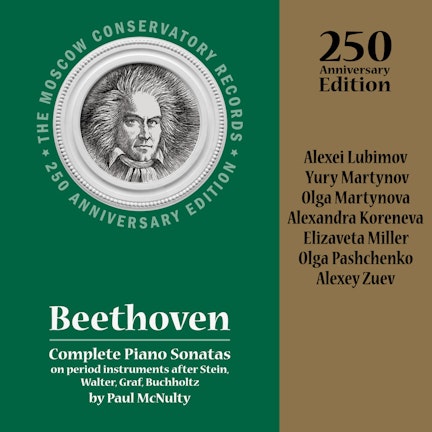
Beethoven. Complete Piano Sonatas on Period Instruments by Paul McNulty. 250 Anniversary Edition
Beethoven, L. Van: Piano Works (Complete), Vol. 2 - Sonatas Nos. 1-3, 19, 20
Beethoven: The Complete Piano Sonatas Played on Period Instruments