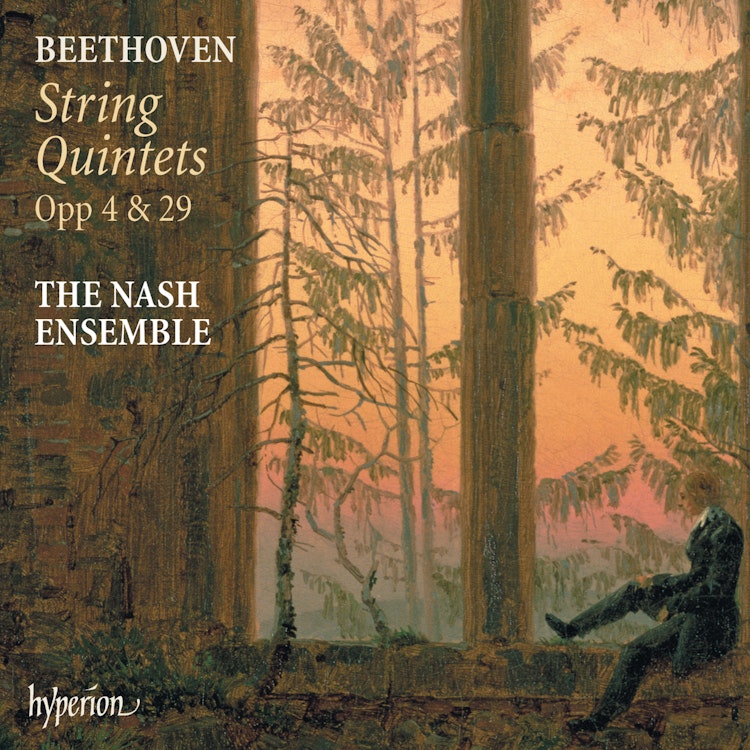
The third movement of Beethoven's String Quintet in E flat major, Op. 4, though marked 'Menuetto più Allegretto', is an early example of a Beethoven scherzo, with a rising staccato scale figure that pre-echoes his Ninth Symphony.
Performer Biography
The Nash Ensemble, the performers on this album, has commissioned over 118 new works especially written for them, providing a legacy for future generations.
Compositional Technique
Beethoven's String Quintet in C major, Op. 29, is described as 'Janus-headed,' simultaneously retrospective in its Mozartian slow movement and prophetic in its harmonic breadth, foreshadowing later masterpieces.
Compositional Technique
Beethoven's String Quintet in E flat major, Op. 4, features an 'exquisite moment of harmonic deception' where Beethoven delays the recapitulation by slipping into the remote 'Neapolitan' key of E major.
Performer Biography
The Nash Ensemble has won The Edinburgh Festival Critics music award for 'general artistic excellence' and two Royal Philharmonic Society awards for its breadth of taste and immaculate performance.
Composition History
Beethoven's String Quintet in E flat major, Op. 4, is a radical rethinking and expansion of an earlier Octet for wind instruments, which was only published after his death.
Cultural Impact
The finale of Beethoven's String Quintet in C major, Op. 29, has been nicknamed 'The Storm' in German-speaking countries due to its explosive tremolos and combustible main theme.
You might also enjoy...
Beethoven: String Quintets Op. 29 and 104, Fugue Op. 137
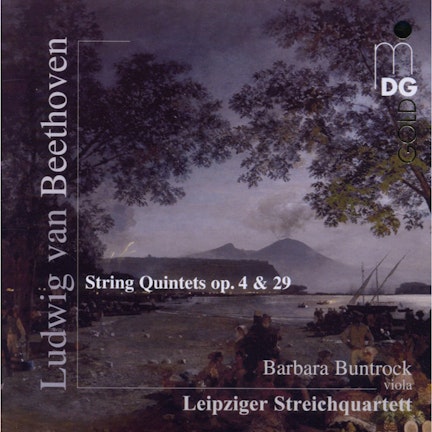
Beethoven: String Quintets, Opp. 29 & 104
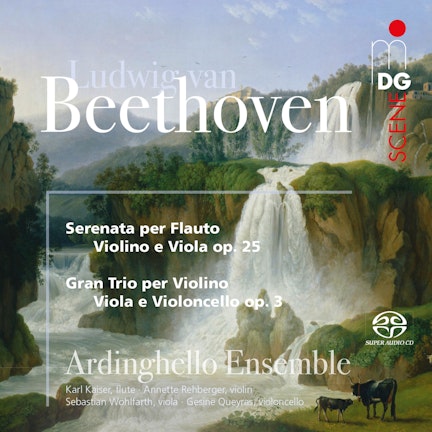
Beethoven: Serenade, Op. 25 & Gran Trio, Op. 3
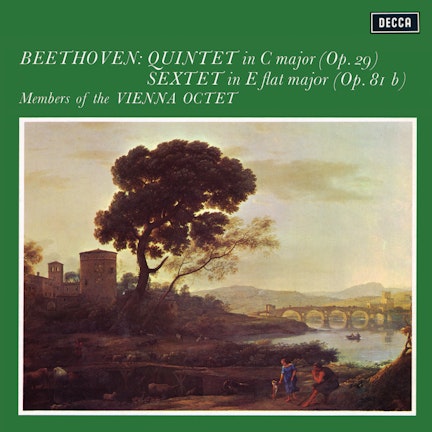
Beethoven: Quintet, Op. 29; Sextet, Op. 81b
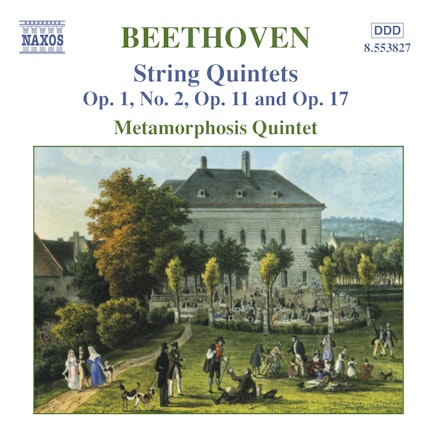
Beethoven: String Quintets, Opp. 1, 11 and 17
Beethoven, L. Van: Septet, Op. 20 / Serenade, Op. 25
Beethoven: String Quintet; 2 Sextets
Beethoven: String Quintet in C Major / Septet in E-Flat Major