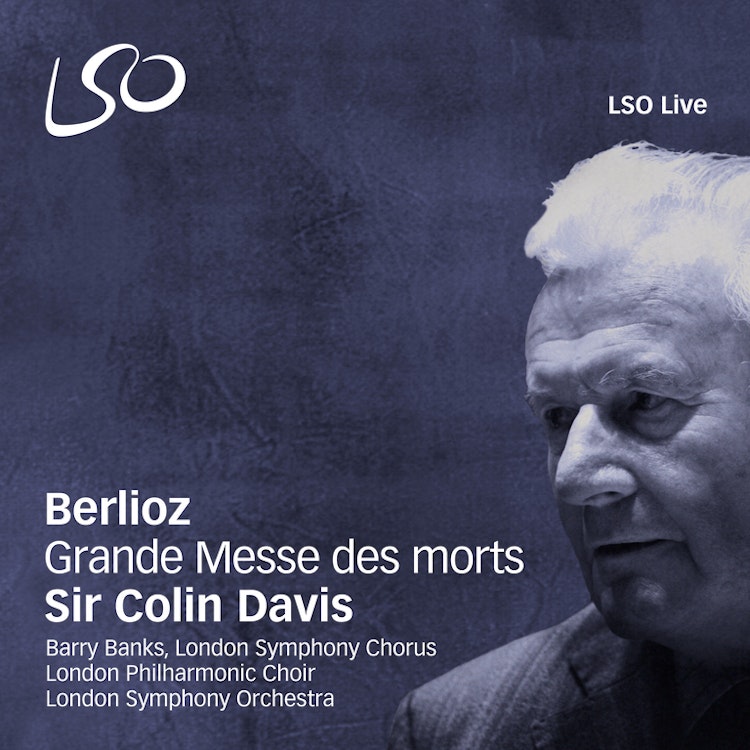
This recording of Berlioz's Grande Messe des morts was made live on June 25 and 26, 2012, at St Paul's Cathedral in London.
Historical Context
Berlioz's Requiem belongs to a tradition of large-scale musical rites in late 18th and early 19th-century France, where multiple orchestras and massed choruses symbolized the Nation.
Compositional Technique
Berlioz's Requiem uses space as a compositional element, with four groups of brass instruments placed at the corners of the main performers, a concept revived from earlier French composers.
Composition History
Berlioz's Grande Messe des morts was commissioned by the French government in March 1837 to commemorate King Louis-Philippe's escape from assassination.
Performer Biography
Sir Colin Davis, the conductor, was President of the London Symphony Orchestra since 2006 and its Principal Conductor from 1995.
Compositional Technique
The work is known for its massed drums and four brass groups, but their effect comes from the contrast with the predominantly austere texture of the rest of the score.
Composer's Artistic Vision
Berlioz, a pupil of Jean-François Le Sueur, believed religious music should have an essentially dramatic character, similar to opera, and felt free to modify liturgical texts for expressive purposes.