Berlioz's Lost Oboe: Early French Romantic Music for Oboe and Piano
1/20/2023, 10 Tracks, 55:40
Featuring
Christopher Palameta
Olivia Sham
Nicolas Charles Bochsa
Gustave Vogt
Stanislas Verroust
Heinrich Wilhelm Ernst
Friedrich Kalkbrenner
Johann Peter Pixis
Sigismond Thalberg
Louis-Emmanuel Jadin
Robert Schumann
Did you know?
1/7
Composer's Artistic Vision
Hector Berlioz, a prominent French Romantic composer, described the oboe's voice as "tender and innocent," capable of expressing pastoral character, tenderness, innocence, and the pain of a tender soul.
Instruments
The Erard firm, founded by Sébastien Érard in Paris, patented the "double escapement" action in 1821, a direct forerunner of the modern piano action that allowed for greater speed and dynamic range.
Composer Biography
Louis-Emmanuel Jadin, a composer and piano teacher at the Paris Conservatoire, successfully navigated the French Revolution and subsequent political upheavals by dedicating his compositional efforts to serving the shifting regimes.
Instruments
The oboe used on this recording is an original boxwood ten-keyed oboe by Guillaume Adler (Paris, c.1835), crafted just before the instrument became mechanized around 1840.
Composition History
Robert Nicolas Charles Bochsa, a harpist and composer on this album, was forced to flee to London in 1817 to avoid prosecution for fraud, forgery, and counterfeit, for which he was later convicted in absentia.
Recording & Production
Many of the sentimental and lyrical rarities on this album, which highlight the unique timbres of the original instruments, have never been recorded before.
Historical Context
The era of Berlioz (the second quarter of the 19th century) was a dynamic period for wind playing in France, despite a common misconception that it was a time of crisis for the oboe's solo repertoire.
You might also enjoy...
Sing to Me Again
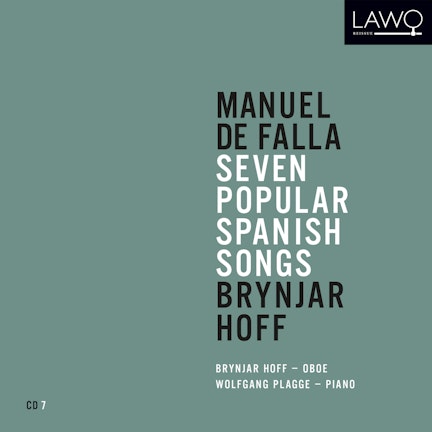
Manuel de Falla: Seven Popular Spanish Songs: Brynjar Hoff
Schumann: Music for Oboe & Piano
Brynjar Hoff plays Grieg, Bach, Gershwin and Encores
Temporal Variations
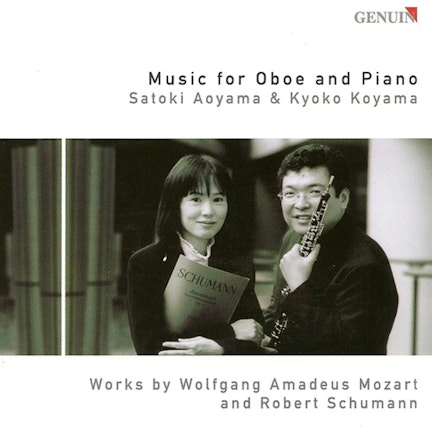
Oboe Recital: Aoyama, Satoki - Mozart, W.A. / Schumann, R.
Bienvenue en France
Conversations
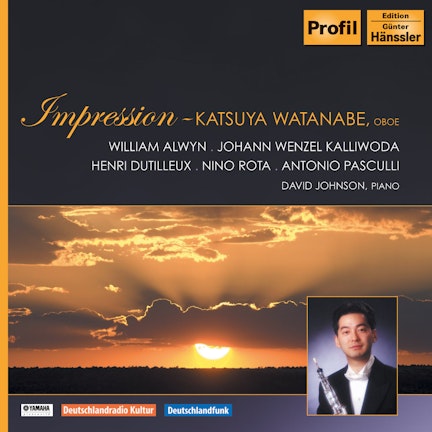
Oboe Recital: Watanabe, Katsuya - Alwyn, W. / Kalliwoda, J.W. / Dutilleux, H. / Rota, N. / Pasculli, A. (Impression)
Oboe Recital: Mayer, Albrecht – Faure, G. / Saint-Saens, C. / Pierne, G. / Pierne, P. / Satie, E. / Bozza, E. / Koechlin, C.
Schumann: Works for Oboe and Piano
The Virtuoso Romantic Oboe
Her Voice: Music for Oboe and Piano by Women Composers