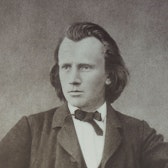
Robert Schumann, a prominent composer, hailed Brahms as the long-awaited successor to Beethoven after hearing his compositions.
Recording & Production
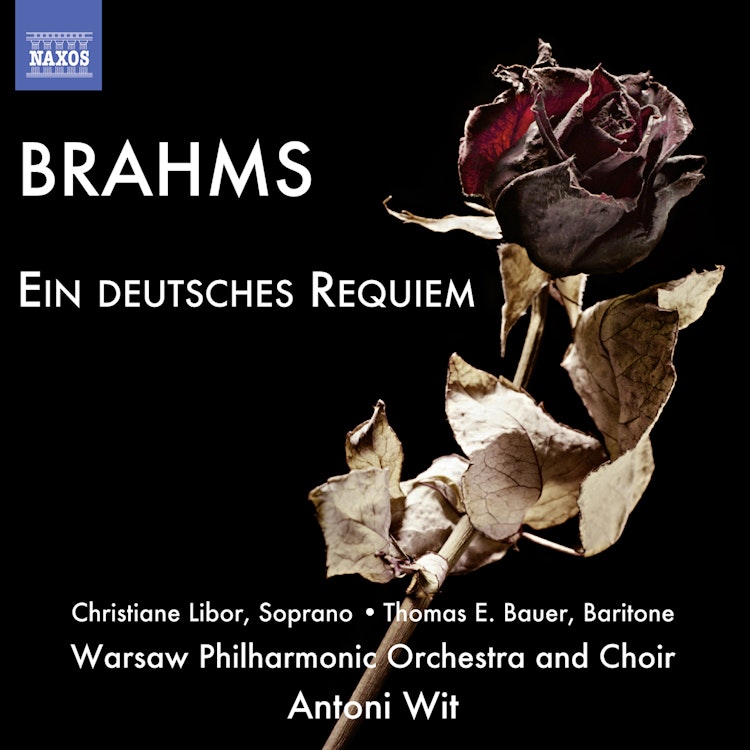
Antoni Wit, the conductor of this recording, has made over 200 records and received a GRAMMY® Award in 2012 for Penderecki's Fonogrammi, Horn Concerto and Partita.
Composer Biography
Johannes Brahms, the composer of "A German Requiem", was initially taught violin and cello, but his interest in the piano prevailed, allowing him to supplement his family's income.
Composition History
The death of Brahms's mother in January 1865 was the immediate reason for the composition of "A German Requiem", a large-scale work that developed over several years.
Performer Biography
Thomas E. Bauer, the baritone on this recording, received five awards for recordings in 2011, including the Echo Klassik Award for Elijah.
Composer's Artistic Vision
Brahms privately suggested he would have preferred to substitute the word 'human' for 'German' in the title of his Requiem, indicating a universal rather than nationalistic intent.
Composition History
The initial performance of three movements of "A German Requiem" in Vienna in 1867 was badly received, possibly because Brahms, a North German Protestant, used Lutheran Bible texts, which might have seemed strange to Catholic Vienna.
You might also enjoy...
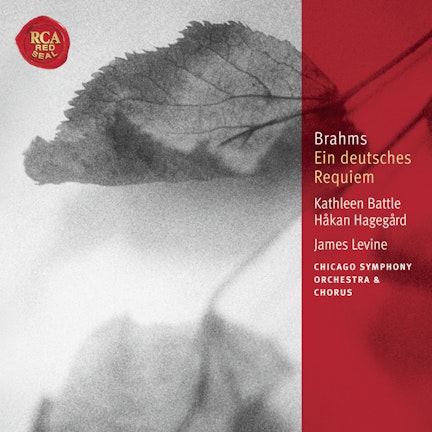
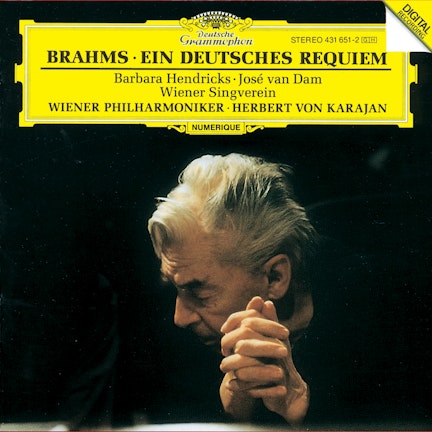
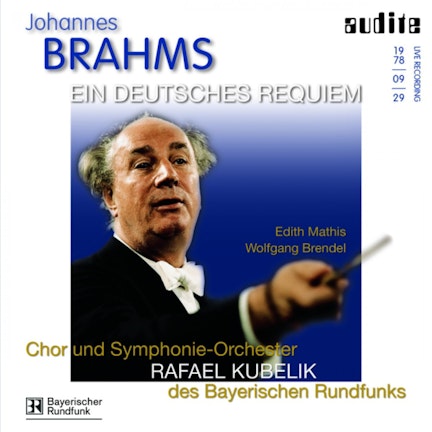
Brahms: Ein deutsches Requiem: Classic Library Series