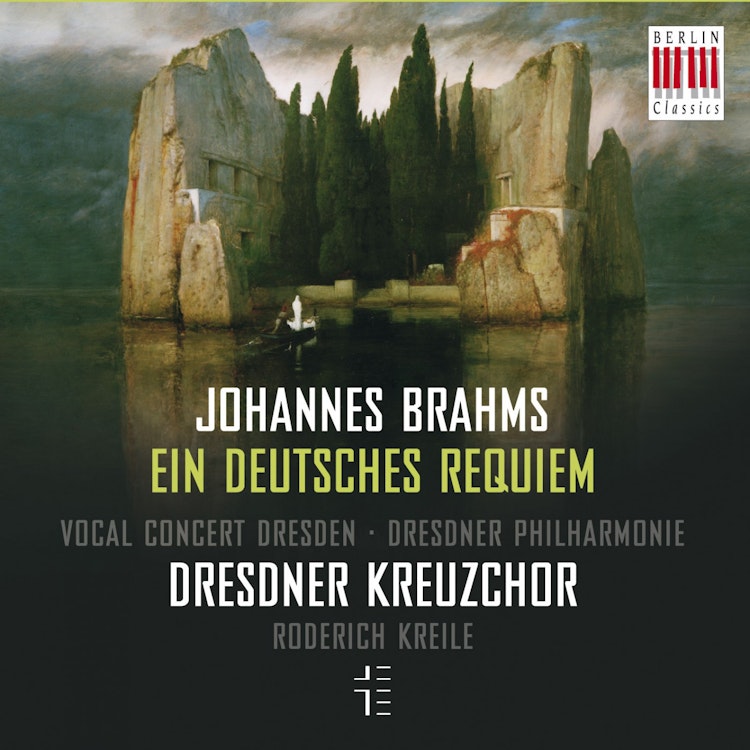
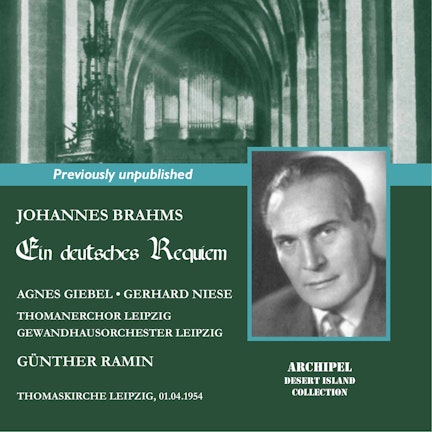
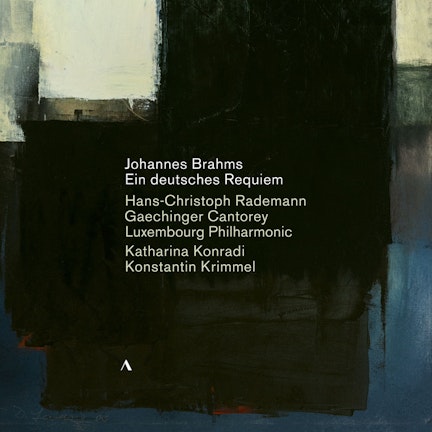
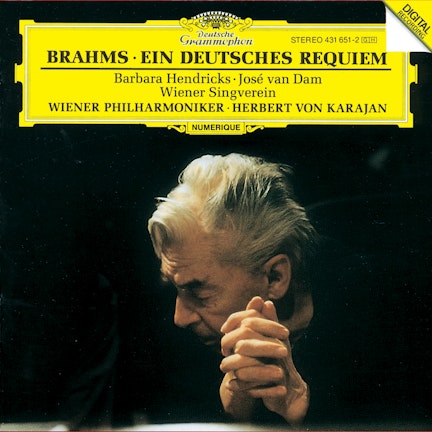
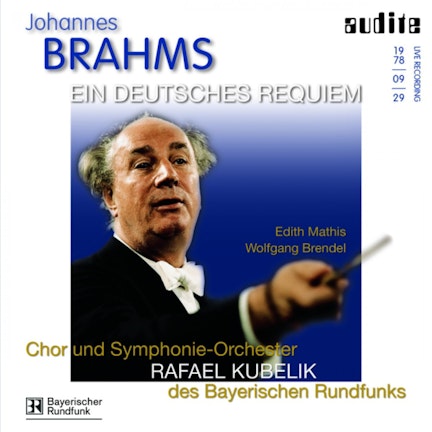
Brahms' "Ein deutsches Requiem" avoids a liturgical framework and specific religious content, instead carefully selecting biblical texts to lay the foundation for a free and differentiated musical structure.
Performer Biography
The Dresden Kreuzchor, one of the world's oldest and most famous boys' choirs, has been performing for nearly 800 years and regularly tours internationally.
Historical Context
The Brahms Requiem is regularly performed in Dresden on February 13th to commemorate the destruction of the city in the Second World War.
Cultural Impact
The Brahms Requiem evokes a general feeling of human religiousness, allowing questions of belief to be decided subjectively, which resonated with the bourgeois society of the time.
Composition History
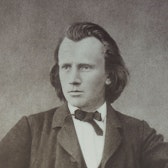
Johannes Brahms' "Ein deutsches Requiem" is deeply connected to the death of his mother, Christiane, who passed away in 1865.
Interpretation
The Dresden Kreuzchor consciously concludes each ecclesiastical year with the Brahms Requiem, with its conductor Roderich Kreile seeing it as a communication of deepest solace.
Critical Reception
The famous Viennese critic Eduard Hanslick was greatly impressed by Brahms' Requiem, stating that nothing written since Bach's Mass in B minor and Beethoven's Missa solemnis could compare.
You might also enjoy...
Brahms: Ein deutsches Requiem: Classic Library Series