Byrd's vocal ranges in this collection are highly varied, with voice distributions changing throughout, from low sopranos and tenors to stratospheric heights.
Instruments
Byrd's Psalmes, Songs, and Sonnets is his only songbook that explicitly specifies stringed instruments, such as viols, in addition to voices.
Composition History
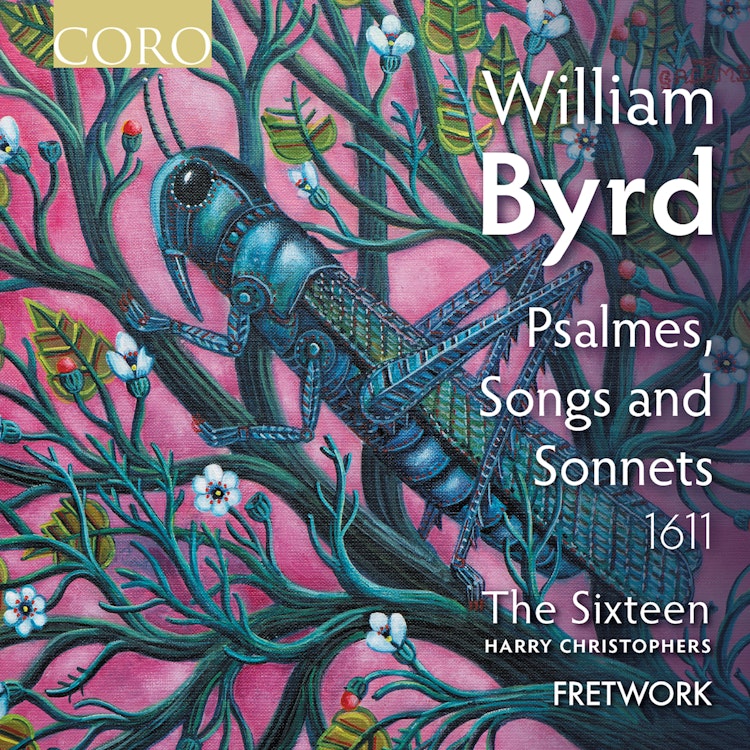
William Byrd's Psalmes, Songs and Sonnets is his final publication, which he referred to as his 'ultimum vale' or 'last labours'.
Historical Context
The year 1611, when this songbook was printed, was significant for the arts in England, also seeing the publication of Shakespeare's 'The Tempest' and the King James Version of the Bible.
Composer's Artistic Vision
Byrd's preface to this collection emphasizes the importance of careful performance and repeated listening, stating that 'the well expressing of them... is the life of our labours' and that a well-made song is better understood with repeated hearings.
Composer Biography
Late in 1594, William Byrd and his family moved to Stondon Massey in rural Essex, near his friend Sir John Petre, whose home had a room known as 'Mr Byrd's chamber'.
Composer's Artistic Vision
Byrd compiled this collection for the enjoyment of all, including both sacred and secular works, and aimed to provide 'Musicke to content every humour: either melancholy, merry, or mixt of both'.
You might also enjoy...
Rore: Sacred & Secular Motets
Gesualdo: Sacræ Cantiones
Brumel: Sub tuum praesidium
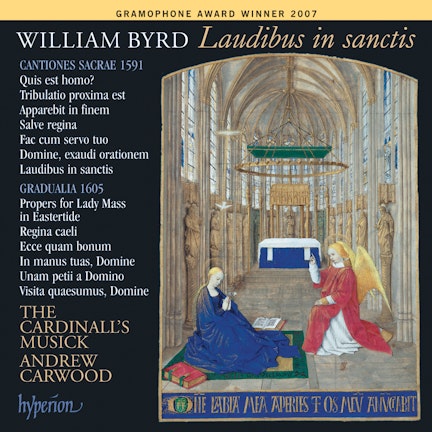
Byrd: Laudibus in sanctis & Other Sacred Music (Byrd Edition 10)
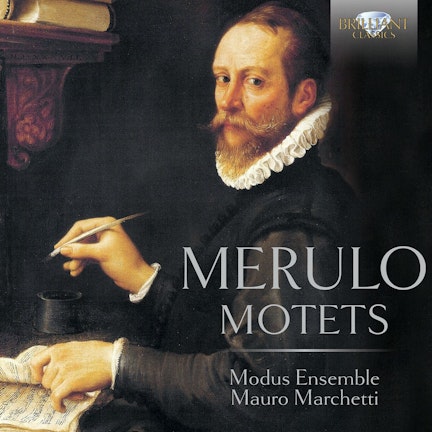
Merulo: Motets
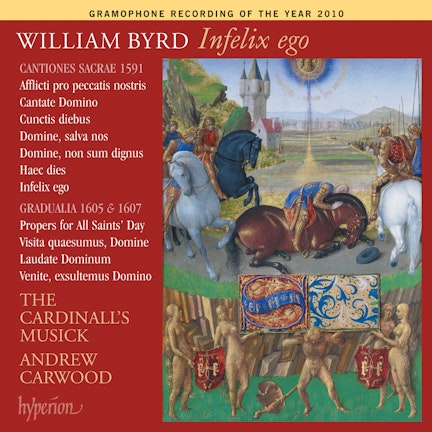
Byrd: Infelix ego & Other Sacred Music (Byrd Edition 13)
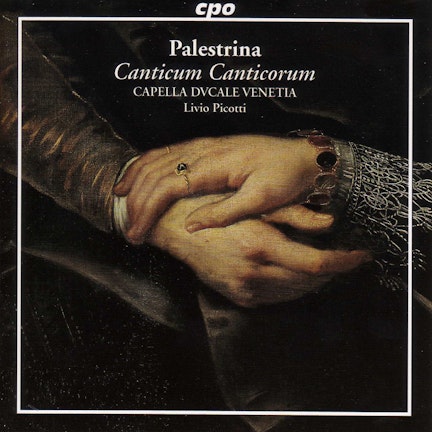
Palestrina: Motets, Book 4, "Canticum Cantocorum" (Song of Songs) (1584)
Byrd 1589
Byrd: Cantiones Sacrae, Book I and Ii (Excerpts)
Praise Our Lord All Ye Gentiles
Orfeo Vecchi, Six-voice Motets, Motectorum sex vocibus liber tertius (Milan 1598)