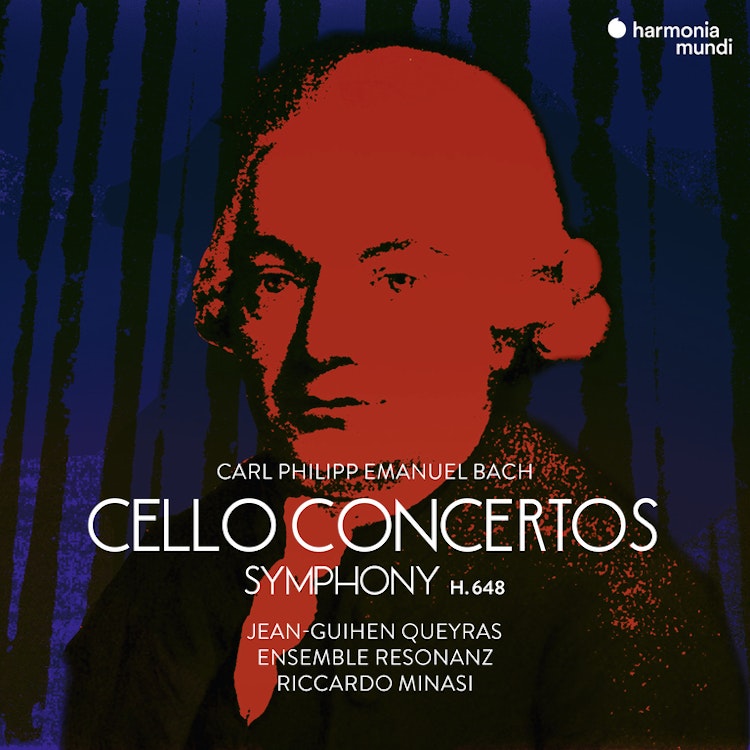
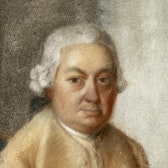
Carl Philipp Emanuel Bach, son of Johann Sebastian Bach, began his formal appointment in the Kapelle of the Prussian Crown Prince in 1740.
Critical Reception
Carl Friedrich Zelter, a composer and critic, considered the ritornellos of Carl Philipp Emanuel Bach's Berlin and Potsdam concertos to be the loftiest of their kind ever written.
Historical Context
The year 1740 marked a significant shift in musical history, with Carl Philipp Emanuel Bach and his contemporaries perceiving it as the beginning of a new era for music.
Compositional Technique
In his cello concertos, Carl Philipp Emanuel Bach developed a style where the orchestra and solo instrument engage in an equal dialogue, integrating the cello into a densely worked compositional texture.
Composer's Artistic Vision
Carl Philipp Emanuel Bach was recognized as a great harpsichord virtuoso, an astute theorist, and one of the most original and versatile composers in Germany.
Critical Reception
Music critic Johann Friedrich Reichardt praised Carl Philipp Emanuel Bach's works for their originality and novelty, even in the smallest pieces.
Composition History
The Symphony in G major (Wq 173) from 1741 is likely Carl Philipp Emanuel Bach's first attempt at the then-new genre of the string symphony.
You might also enjoy...
Shostakovich: Cello Concertos Nos. 1 & 2
Bliss: Cello Concerto, F. 120
Back in Budapest! Robert Schumann Cello Concerto, Op. 129 Suzanne Ramon (Live Version)