Caldara's oratorios, such as Maddalena ai piedi di Cristo (c. 1698), hold a central position in his religious music output due to their quality.
Recording & Production
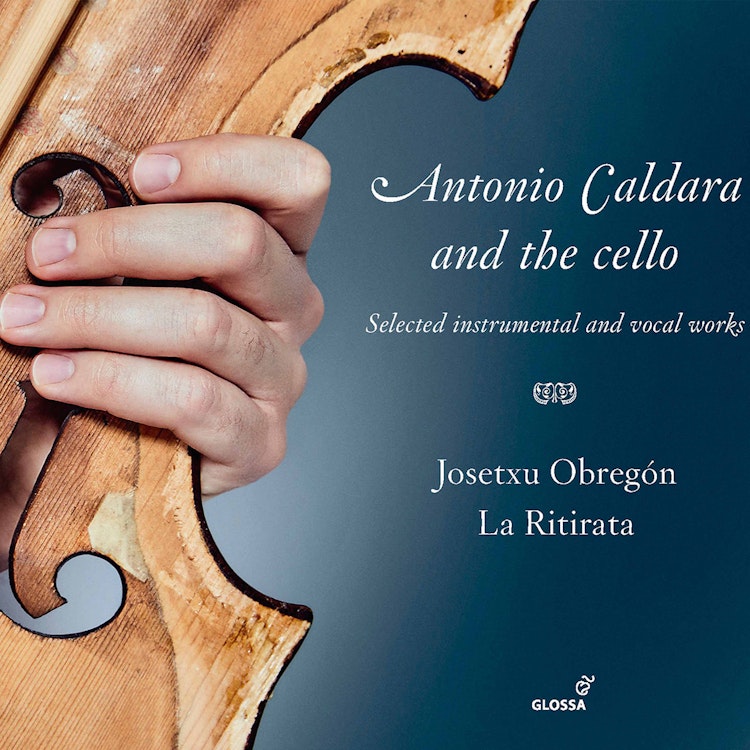
This album includes the world premiere recording of Caldara's cantata Porgete per pietà, an unpublished and previously unexplored work.
Historical Context
Caldara worked at the Imperial Court of Charles VI in Vienna, where the emperor, who was musically trained, favored Italian composers, instrumentalists, librettists, and singers.
Critical Reception
Despite admiration from figures like Telemann, Bach, Haydn, Mozart, and Beethoven, Caldara's legacy was overshadowed by new musical trends, and his true stature is still being rediscovered by musicology.
Composer Biography
Antonio Caldara, the composer, was trained as a contralto and learned to play the cello at St Mark's Basilica in Venice, where he was accepted as a chorister.
Compositional Technique
Caldara enjoyed including obbligato parts for non-standard instruments like the salterio and chalumeau in his works.
Composer's Artistic Vision
Caldara, a Venetian-born composer, consistently assigned a preferential place to the cello in his works, which was his own instrument.
You might also enjoy...
Italian concertos & sonatas
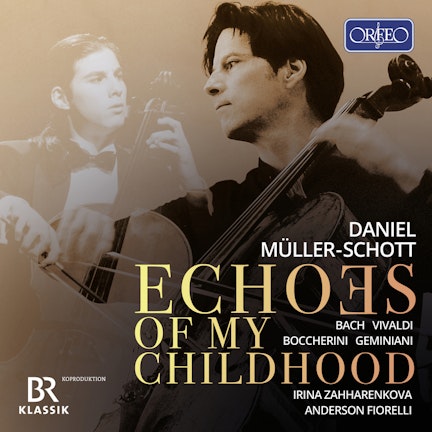
Echoes of My Childhood
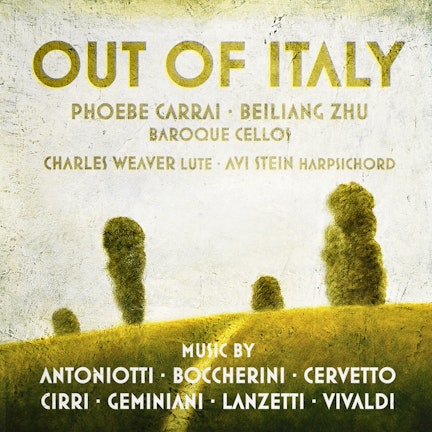
Out of Italy: Music of Antoniotti• Boccherini • Cervetto • Cirri • Geminiani • Lanzetti • Vivaldi
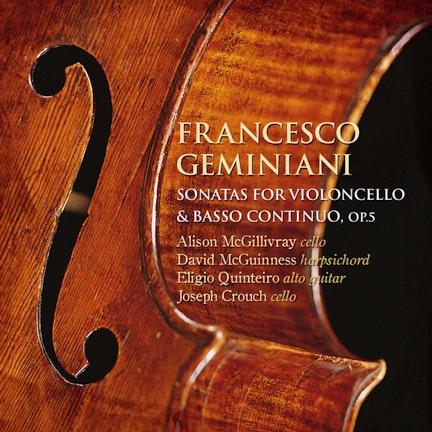
Geminiani: Sonatas for Violoncello & Basso Continuo
Geminiani: Sonates pour violoncelle avec la basse continue
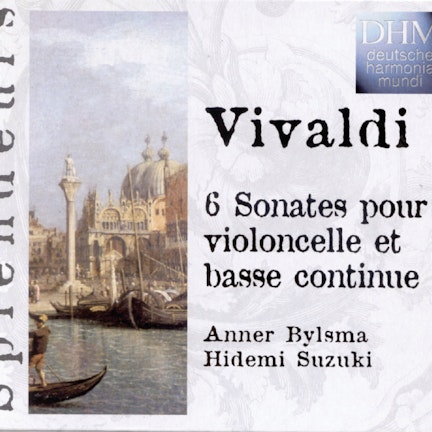
Vivaldi: 6 Sonatas Violoncelle Et Basse Continue
Vivaldi: Cello Sonatas
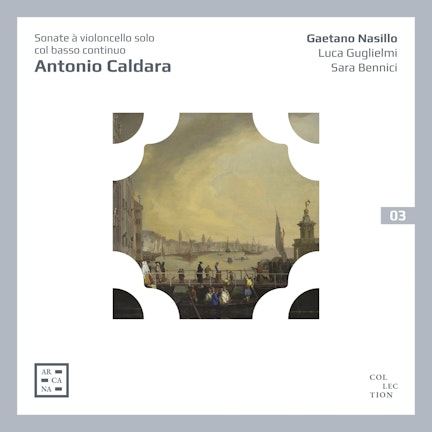
Caldara: Sonate à violoncello solo col basso continuo