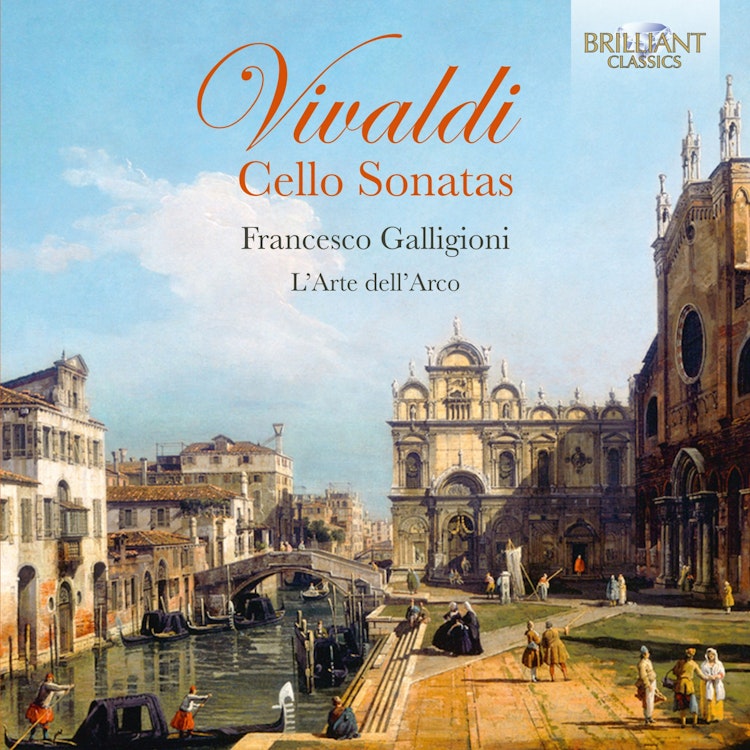
Vivaldi likely wrote these cello sonatas between 1726 and 1730, a period when cello sonatas were in high demand in Venice.
Critical Reception
The two sonatas in minor keys (A minor and E minor) were particularly popular, especially in France, well into the 20th century.
Composition History
The French ambassador to Venice, J.V. Languet, Comte de Gergy, who was passionate about cello music, may have commissioned some of these works from Vivaldi.
Compositional Technique
The fast movements in these sonatas are rich in incisive, staccato rhythms and frequent leaps, reminiscent of wind instrument technique, while slow movements are melodious and expressive.
Performer Biography
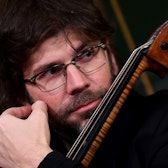
Francesco Galligioni, the cellist on this recording, previously recorded these sonatas as a continuo player with Anner Bylsma, a renowned cellist who was a model for many generations.
Instruments
Francesco Galligioni performs on a cello built by Paolo Antonio Testore in 1740 and an original early 18th-century viola da gamba.
Compositional Technique
Vivaldi's cello sonatas often feature a four-movement structure typical of church music (Lento-Allegro-Lento-Allegro) and individual movements in binary form, characteristic of chamber music.
You might also enjoy...
Geminiani: Sonatas for Violoncello & Basso Continuo
Barrière: Six Sonatas For Cello and Basso Continuo
Vivaldi: Six Cello Sonatas
Ariosti: Stockholm Sonatas for Viola D'Amore, Vol. 2
Echoes of My Childhood
Marin Marais: Pièces De Viole Du Quatrième Livre
Marcello: 6 Cello Sonatas
Ruhe vor dem Sturm und Drang
Mystery (Rosary) Sonatas, Sonata No. 6 in A Major "The Agony in the Garden"