Catoire's transcription of parts of Tchaikovsky's First Suite for orchestra so impressed Tchaikovsky that he persuaded his publishers to issue it.
Critical Reception
After his death, Catoire's reputation as a composer fell into oblivion, partly due to his modesty, his music's aesthetic incompatibility with Soviet demands, its technical difficulty, and the post-Revolutionary collapse of music publishing.
Composer Biography
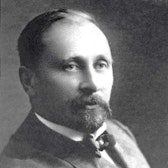
Georgy Catoire, born in Moscow to French parents, initially studied mathematics at Moscow University, graduating with honors in 1884, before fully committing to music.
Composer Biography
Catoire was introduced to Wagner's music by his piano teacher Karl Klindworth, a pupil of Liszt and disciple of Wagner, and became one of the first musicians in Russia to recognize Wagner's genius.
Cultural Impact
Late in his life, Catoire published several important treatises on harmony and composition that are said to have laid the foundation for much composition teaching in the USSR.
Composer's Artistic Vision
Catoire's approach to harmony, with its expansion of tonality through chromaticism and greater freedom in key relationships, was typical of his generation, but his larger-scale rhythmic freedom set him apart from composers like Scriabin.
Performer Biography
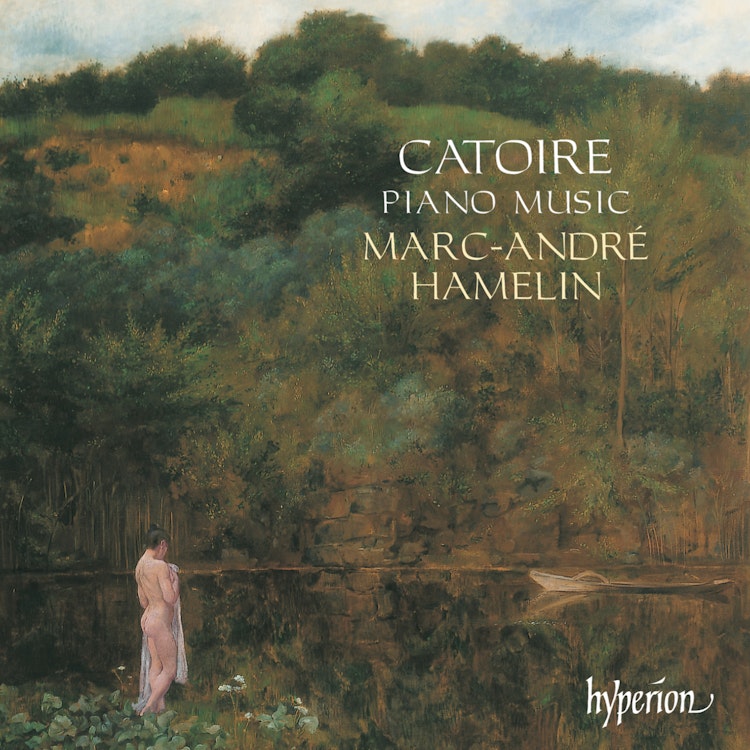
Marc-André Hamelin, the pianist on this recording, is known for his exploration of unfamiliar pianistic repertoire and has been recognized with a lifetime achievement prize by the German Record Critics' Award.