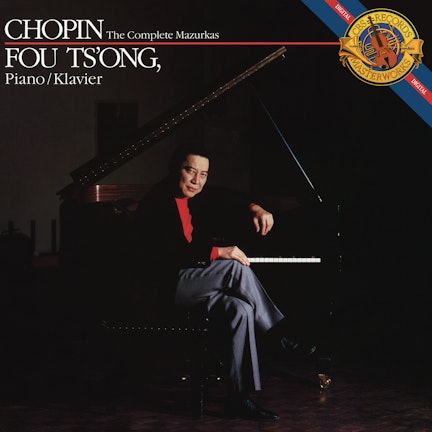
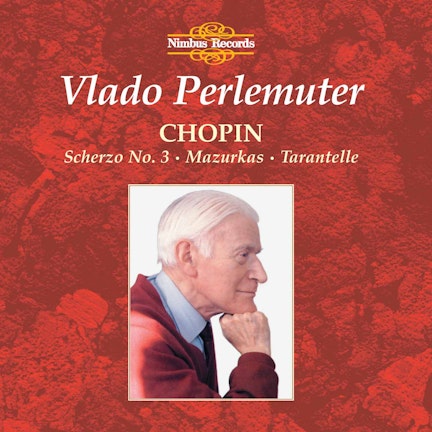
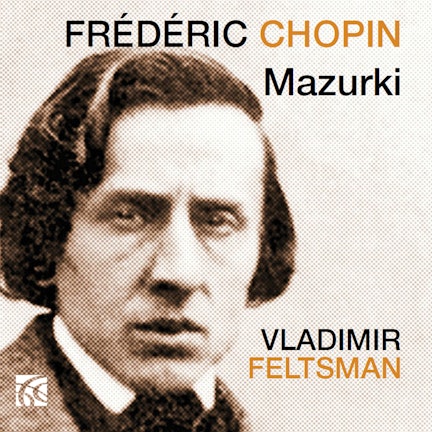
Chopin's Mazurkas are described as dances that can lilt, jump, cry, long, sting, hide, caress, intoxicate, swing, and ultimately love and live.
Historical Context
Chopin's anguish over the Russian troops taking over Warsaw in 1831, and his inability to be with his family, is reflected in his personal notebook.
Performer Biography
Mirian Conti, the Argentine-American pianist on this recording, was selected as one of the '100 Outstanding Alumni' for the centennial celebration at The Juilliard School.
Critical Reception
An early critic, Rellbstab, described Chopin's Mazurkas as having 'ear-splitting discords, forced transitions, harsh modulations, ugly distortions of melody and rhythm' due to their 'odd originality'.
Compositional Technique
Chopin's music is noted for its harmonic inventiveness, complex patterns, and sonorities previously unachieved on solo piano, including refined use of pedal and rubatos.
Composer Biography
Chopin's first piano work was a Polonaise, and his last was a Mazurka, reflecting his constant connection to his Polish roots.
Composer's Artistic Vision
Chopin's Mazurkas often blend different Polish folk dance types: the noble Mazur, the swirling Oberek, and the melancholic Kujawiak.