Debussy's Prélude à l'après-midi d'un faune uses a variant of the famous Tristan chord, but Debussy neutralizes its tension to break free from Wagner's influence.
Critical Reception
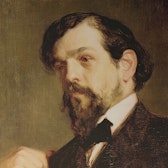
Claude Debussy, a French composer, called Strauss's Salome an "absolute masterpiece" after hearing it in Paris in 1907.
Composer Biography
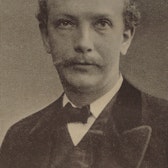
Richard Strauss, a German composer, found it difficult to understand Claude Debussy's opera Pelléas et Mélisande, reportedly saying, "No music… It doesn't connect… It doesn't hold together… No musical phrases. No development."
Historical Context
Richard Strauss's opera Salome caused a Europe-wide sensation after its 1905 Dresden premiere, with its French premiere in Paris in 1907 being eagerly awaited.
Performer Biography
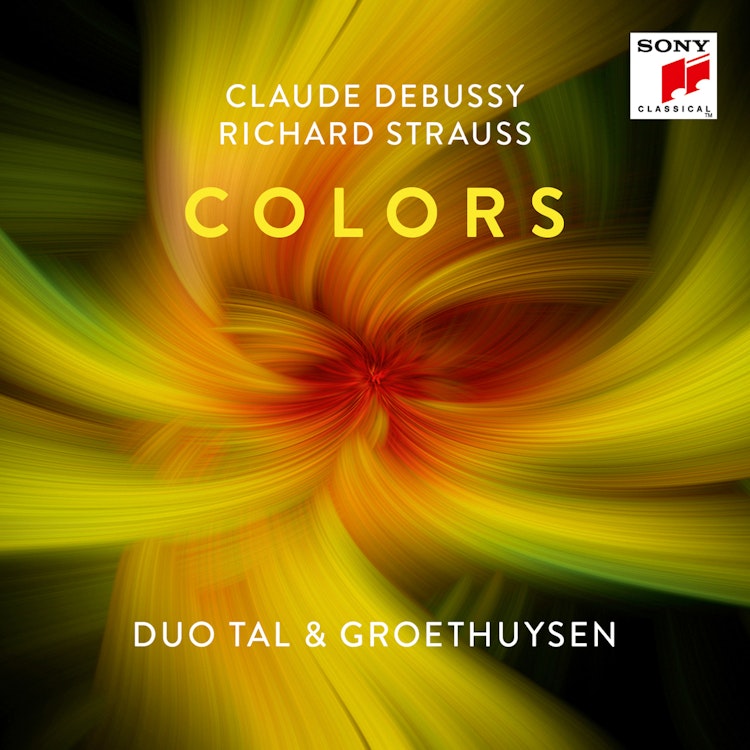
Yaara Tal and Andreas Groethuysen, the pianists on this recording, unearthed a previously unpublished arrangement of Strauss's Walzerfolge aus »Der Rosenkavalier« by Victor Babin, who formed a significant piano duo with his wife Vitya Vronsky.
Critical Reception
Debussy's La Mer, a set of three 'symphonic sketches' for orchestra, was not a success at its 1905 premiere, with one critic stating, "I do not hear, I do not see, I do not smell the sea."
Composer's Artistic Vision
Claude Debussy believed music was the art closest to nature, stating, "Music is precisely the art that is closest to nature and that captures it in the subtlest way."
You might also enjoy...
Encores for two Pianos
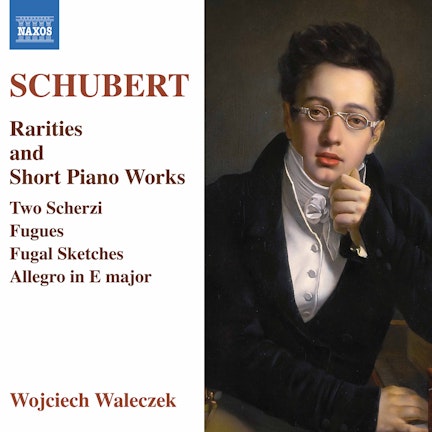
Schubert: Rarities & Short Piano Works
In Contrasts
Beethoven: Piano Works
Bach to Black: Suites for Piano, Vol. III
Herzogenberg: Works for 2 Pianos, Piano Duet, and Solo Piano
Tales from Vienna
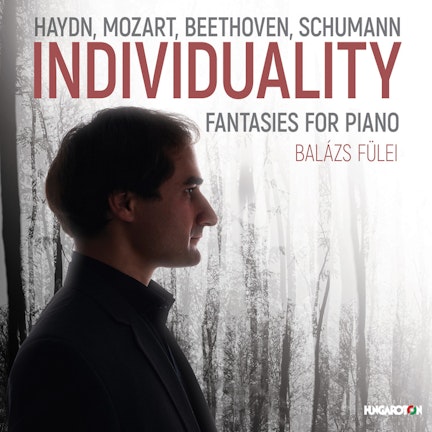
Haydn, Mozart, Beethoven, Schumann: Individuality - Fantasies for Piano
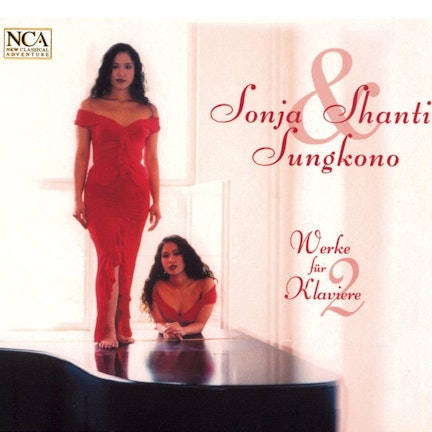
Werke für 2 Klaviere
The Best of Martin Jones: Discover Jean Roger-Ducasse