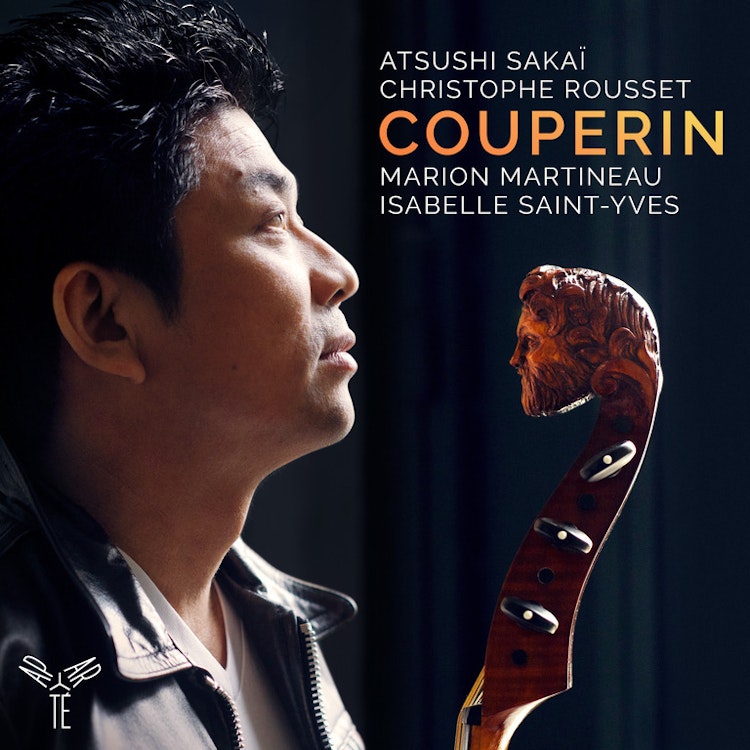
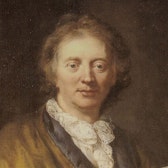
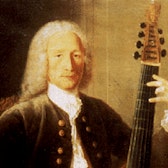
Couperin, the composer, may have intentionally concealed his name in the royal patent for his "Pièces de violes" due to a lifelong taste for enigma or respect for an instrument not his own.
Recording & Production
This recording was made in the Galerie Dorée of the Banque de France, a historically significant location where Couperin, the composer, once gave music lessons.
Composer Biography
Despite claims of his unfamiliarity with the viol, Couperin's father was a viol player, and Couperin himself owned two viols at the time of his death, suggesting a close connection to the instrument.
Composer's Artistic Vision
The second suite of Couperin's "Pièces de violes" concludes with "Pompe funèbre" and "La Chemise blanche," which may represent a personal vision of death as deliverance or a fresh start, especially given Couperin's admission of severe illness around that time.
Composition History
Couperin's "Pièces de violes" were long thought lost or never published until musicologist Charles Bouvet discovered them in the early 20th century under the enigmatic name 'M r . F. C.'.
Compositional Technique
The 1728 book of Couperin's viol pieces, comprising two suites, shows a clear advance in the use of the instrument, notably through its abundant use of double stopping.