Carl Czerny (1791-1857) is primarily known for his thousands of piano exercises and theoretical writings, with 861 opus numbers.
Critical Reception
Contemporary critics praised Czerny's Preludes and Fugues as works of 'very different quality' from his usual output, showcasing 'genius and erudition of the highest order' in this 'most abstruse branch of the art'.
Compositional Technique
Czerny's Voluntaries are typically reserved in style, often two pages or shorter, and possess a melodic and harmonic charm that blends the secular piano world with the sacred church environment.
Historical Context
These organ works by Czerny were published around 1841 in London, a time when the English organ was undergoing a major shift in development, influenced by a new interest in Bach's organ music.
Critical Reception
While Czerny's music lacked a creative spark for Robert Schumann, his position was elevated by the support of his student Franz Liszt, who invited him to contribute to his composition Hexaméron.
Composition History
The Preludes and Fugues Op. 603 and Op. 607 are dedicated to George Elvey, Queen Victoria's private organist and organist of St. George's Chapel, Windsor.
Composer's Artistic Vision
Czerny's organ works help bridge the classical and romantic periods, a relatively fallow period for organ composition, and demonstrate the importance of miniatures for practical liturgical use.
You might also enjoy...
Robert Schumann: Complete Works for Pedal Piano/Organ , Andreas Rothkopf On the Historic Walcker Organ in Hoffenheim
Die Orgeln im Freiburger Münster - Chororgel - Künstlerfreunde
Reger: Das gesamte Orgelwerk, Vol. 3
Brahms / Rheinberger / Schumann / Reger: Organ Works
Hommage
Bach, Liszt, Reger, Kushnaryov, Shahrimanyan
Robert Schumann: Organ Works Nos. 56, 58 & 60
Reger: Organ Works, Vol. 8
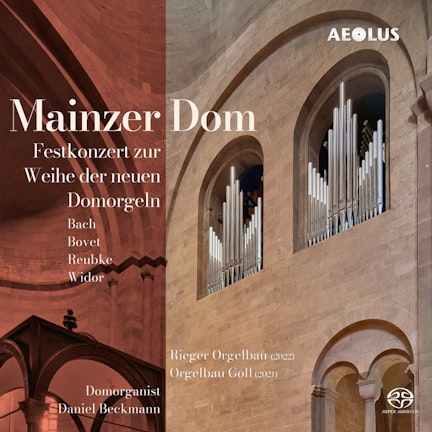
Mainzer Dom - Festkonzert zur Weihe der neuen Domorgeln
French Bonbons: Romantic Organ Music
L'amour et la mort: Organ Works by Widor, Saint-Saens, Bizet & Faure