Debussy: Études, L. 136 & Children's Corner, L. 113
1/3/2020, 18 Tracks, 1:09:44
Featuring
Aleck Karis
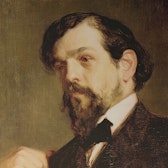
Claude Debussy
Did you know?
1/7
Composer's Artistic Vision
Debussy's personal aesthetic credo, evident in pieces like 'Dr Gradus ad Parnassum', involved rejecting drudgery and orthodoxy to allow the musical spirit to roam freely.
Composer's Artistic Vision
Debussy's Études represent a distillation of his style, moving into a more modern idiom and leaving behind the descriptive allusions of his earlier works.
Performer Biography
Aleck Karis, the pianist on this recording, has performed extensively across the Americas, Europe, Japan, and China, and has participated in over a hundred premieres with the new music ensemble Speculum Musicae.
Composer Biography
Debussy, known for being acerbic and difficult, had one shining exception in his relationships: his daughter Claude-Emma, also known as 'Chouchou', to whom he dedicated his 'Children's Corner' suite.
Composition History
Debussy composed his Études and other final works in a remarkable burst of creative activity during a four-month period in Normandy, after a year-long compositional block.
Compositional Technique
Debussy's Études are dedicated to the memory of Frédéric Chopin, a Romantic composer Debussy loved, and include studies in thirds, sixths, and octaves, similar to Chopin's Opus 25.
Composer Biography
The outbreak of World War I in August 1914 and his deteriorating health due to cancer deeply affected Debussy, leading to a period of depression and inability to compose.
You might also enjoy...
Debussy, C.: 12 Etudes / Estampes
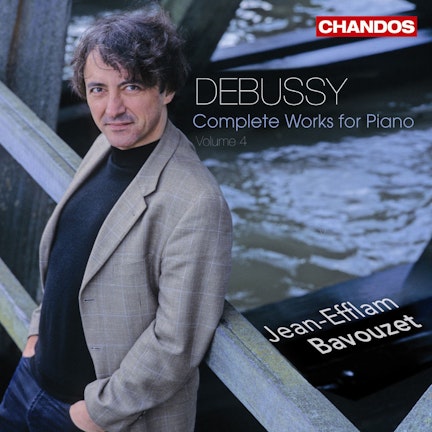
Debussy: Complete Works for Piano, Vol. 4
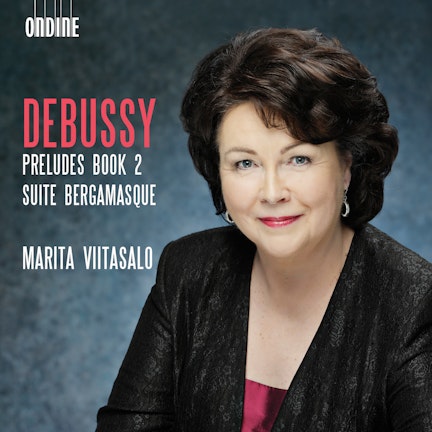
Debussy: Préludes, Book 2, L. 123 & Suite bergamasque, L. 75
Debussy: Préludes II
Debussy: 12 Preludes, Book I; Suite Bergamasque
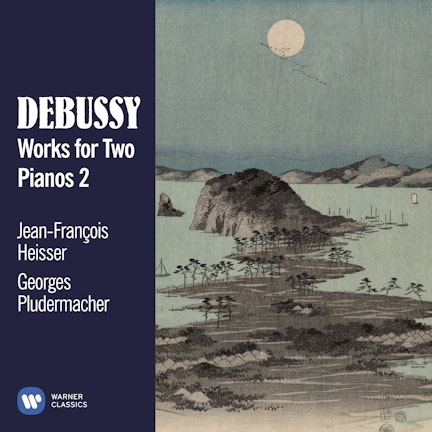
Debussy: Works for Two Pianos, Vol. 2
Claude Debussy: Préludes
Véronique Bonnecaze: Debussy
Debussy que J'Aime
Debussy: Préludes Book 1; Children's Corner
Debussy: Works for Piano
Bedtime Debussy
Debussy: L'isle joyeuse, Images Book I, Etudes Book II & Estampes