Dvořák's Stabat Mater was overwhelmingly received at its second London performance in 1884, with England's strong choral tradition creating anticipation for the work.
Composition History
Dvořák composed his Requiem, Op. 89, for the Birmingham Music Festival, which premiered the work on October 9, 1891.
Composition History
Dvořák's Stabat Mater, Op. 58, was composed after the deaths of three of his children, giving it a deeply personal resonance.
Composition History
Dvořák composed his Mass in D, Op. 86, for the consecration of a private chapel belonging to his architect friend Josef Hlávka at Lužany Castle.
Composer Biography
Antonín Dvořák, born in Nelahozeves, was the eldest of nine children and initially pursued music after his father, an innkeeper and butcher, consented to it.
Composer's Artistic Vision
Dvořák's uncomplicated Catholic faith, in which he was nurtured, is central to all his sacred works.
Compositional Technique
In his Requiem, Dvořák's setting is generally restrained and awe-inspiring, not aiming for the same level of apocalyptic terror as Berlioz or Verdi in their settings of the 'Tuba mirum' section.
You might also enjoy...
Herzogenberg: Totenfeier & Requiem
Fauré : Requiem, Messe basse & Cantique de Jean Racine
Szymanowski: Stabat Mater - Litania - Demeter
Saint-Saens, C.: Oratorio De Noel / Mass, Op. 4
Fauré: Requiem
Verdi und Puccini
Menotti : Missa O Pulchritudo / Vierne: Messe Solennelle
Kodály: Budavari Te Deum / Missa Brevis
Hasse: Mass in D minor - Miserere in C minor
Fauré: Requiem, Op. 48 (version 1893)
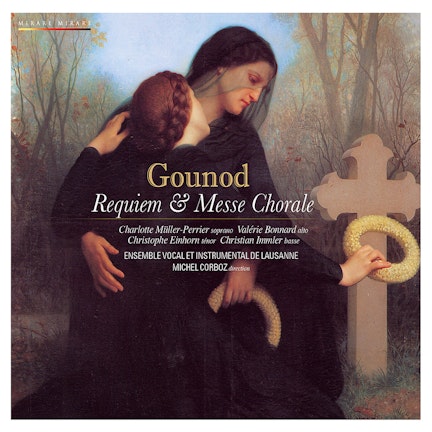
Requiem & Messe Chorale
Istvanffy: Messa Dedicata Al Patriarcha Santo Benedetto / Kraus: Requiem