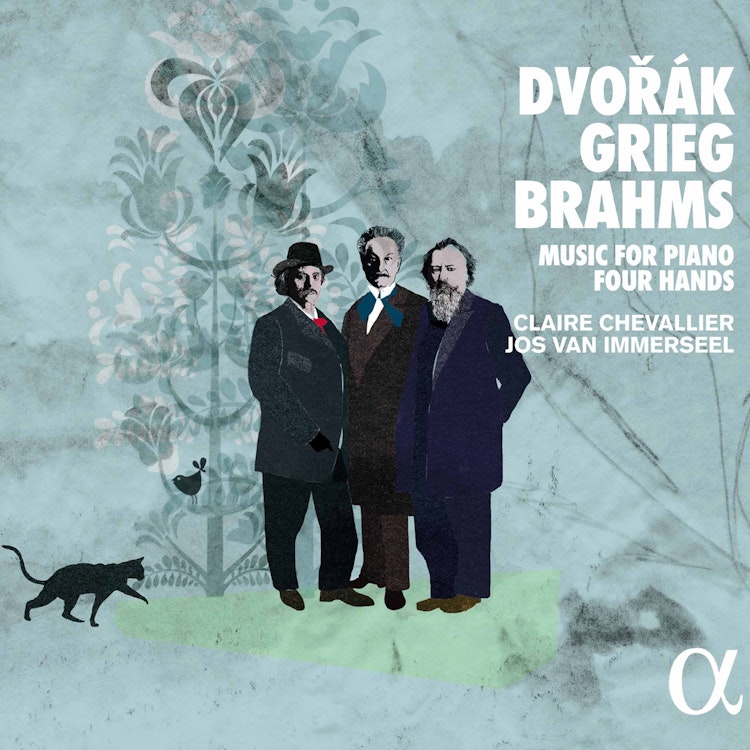
Dvořák, Grieg & Brahms: Music for Piano Four Hands
5/19/2017, 22 Tracks, 1:11:24
Featuring
Claire Chevallier
Jos van Immerseel
Johannes Brahms
Edvard Grieg
Antonín Dvořák
Did you know?
1/7
Recording & Production
This album features music for piano four hands, a genre that was very popular with both professional pianists and amateur players between 1780 and 1950.
Composition History
The three composers on this album — Johannes Brahms, Edvard Grieg, and Antonín Dvořák — composed their featured works within a short period, between 1878 and 1881.
Instruments
The 1870 Bechstein grand piano used for this recording is a straight-strung instrument, a type that was more labor-intensive to build but offered a more transparent and clearer sound in the bass compared to modern overstrung pianos.
Composer Biography
Johannes Brahms, who lived in Vienna from 1862, became familiar with 'Hungarian folk music' through street musicians, many of whom were Romani people from Central Europe.
Interpretation
The performers chose a Bechstein grand piano from 1870 for this recording, believing a masterfully restored instrument from the composers' era offers a better chance to hear the music as they conceived it.
Composer's Artistic Vision
Edvard Grieg was deeply inspired by Norway's nature, folk life, and poetry, aiming to translate these elements into his music.
Composition History
Antonín Dvořák was asked by his publisher Simrock in 1878 to compose dances in the Bohemian and Moravian style, similar to Brahms's Hungarian Dances, leading to his Slavonic Dances.
You might also enjoy...
Brahms: Complete Piano Sonatas
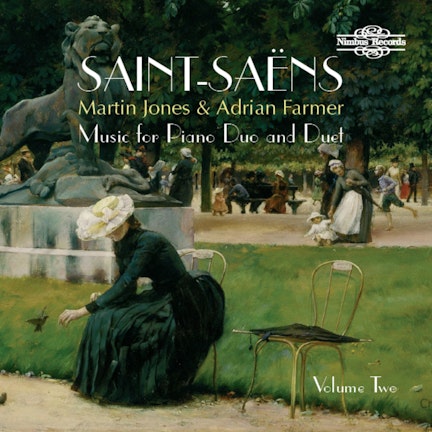
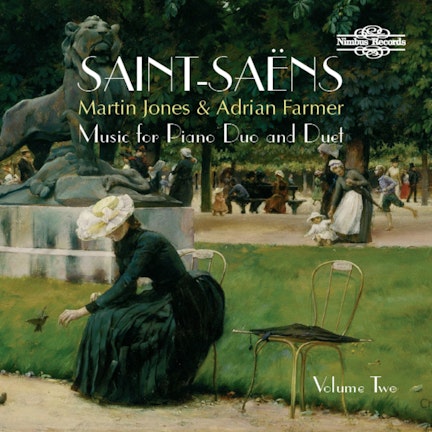
Saint-Saëns: Music for Piano Duo and Duet, Vol. 2
Saint-Saëns: Music for Piano Duo & Duet, Vol. 1
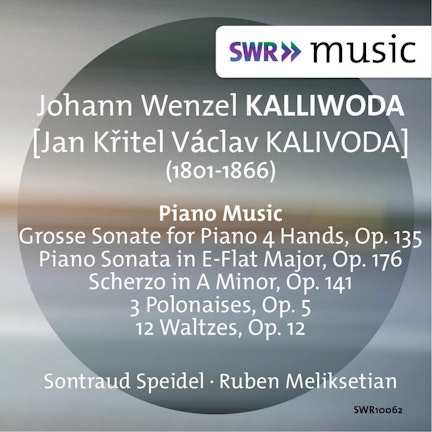
Kalliwoda: Piano Music
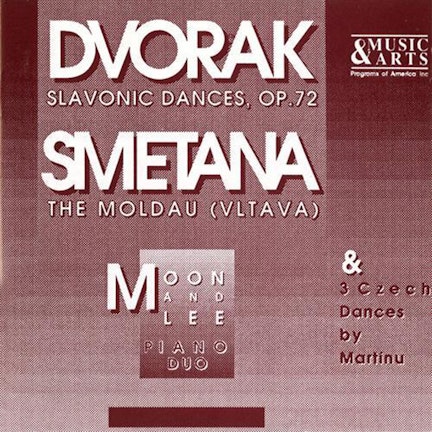
Dvořák: Slavonic Dances, Op. 72 - Smetana: Vltava from Ma vlast - Martinů: 3 Czech Dances
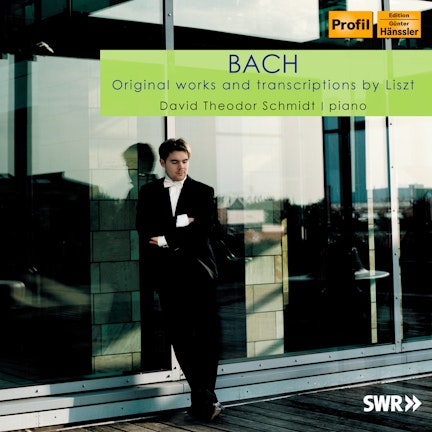
Bach: Original Works and Transciptions by Liszt
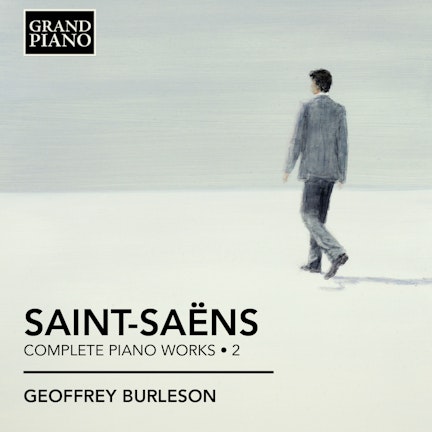
Saint-Saëns: Complete Piano Works, Vol. 2
Reinecke, Raff & Rheinberger: Works for Two Pianos
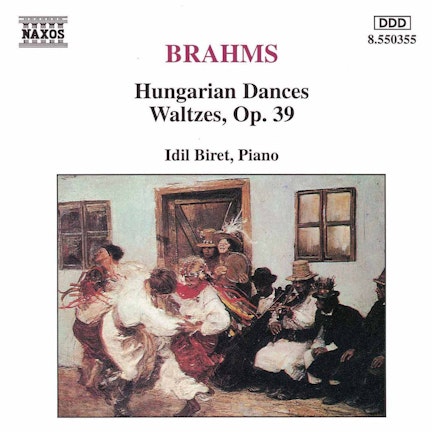
Brahms: Hungarian Dances - Waltzes, Op. 39
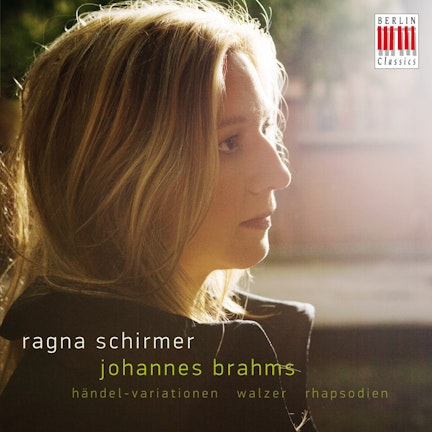
Brahms: Händel-Variations, Waltzes & Rhapsodies
Moscheles: Piano Sonatina / Piano Sonata / Variations On A Russian Theme / Fantasias