Dvořák's Requiem extensively uses a recurring chromatic motif, described by Dvořák expert Otakar Sourek as 'the remembrance of death,' to unify the work and underscore its theme.
Composer's Artistic Vision
Dvořák was confident in his solution to setting the large-scale Requiem text, believing he had advanced beyond his Stabat Mater and other major works.
Composition History
Dvořák's Requiem, the broadest 19th-century setting of the text, was commissioned for the Birmingham Festival after the success of his earlier works there.
Critical Reception
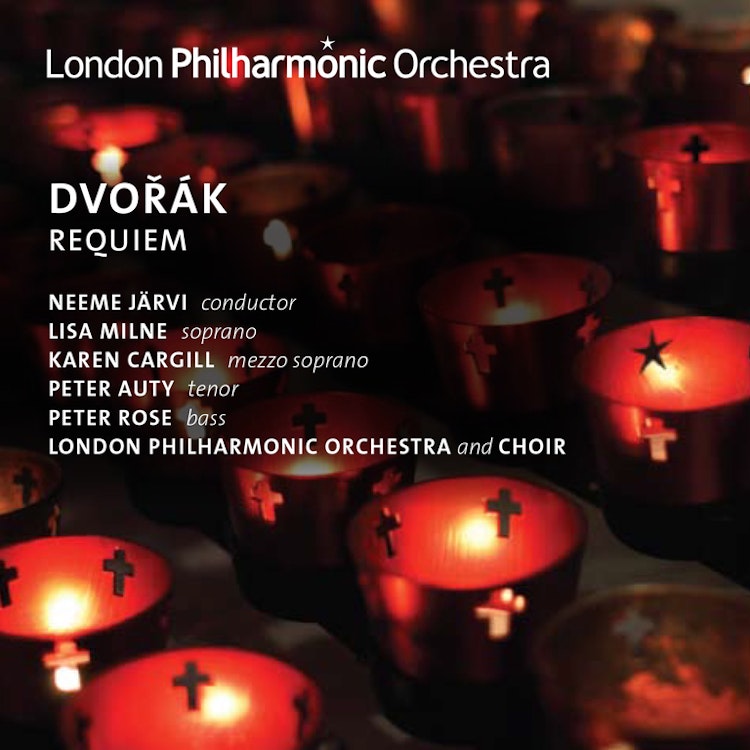
Despite its quality, Dvořák's Requiem is considered a 'near-forgotten masterpiece,' having rarely been performed in concert and never by the London Philharmonic Orchestra before this 2009 recording.
Critical Reception
While the Requiem was largely well-received, critic Bernard Shaw delivered a 'pungent tirade' against it after a London performance in 1892.
Composition History
Dvořák began composing the Requiem on December 31, 1889, after Alfred Littleton of Novello & Co. suggested the idea, and completed the full score by October 31, 1890.
Notable Performances
Dvořák himself conducted the premiere of the Requiem in Birmingham Town Hall on October 9, 1891, where it made a deep impression despite a momentary loss of control over the chorus.
You might also enjoy...
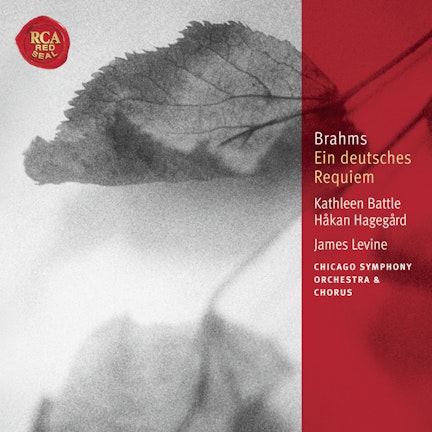
Brahms: Ein deutsches Requiem: Classic Library Series