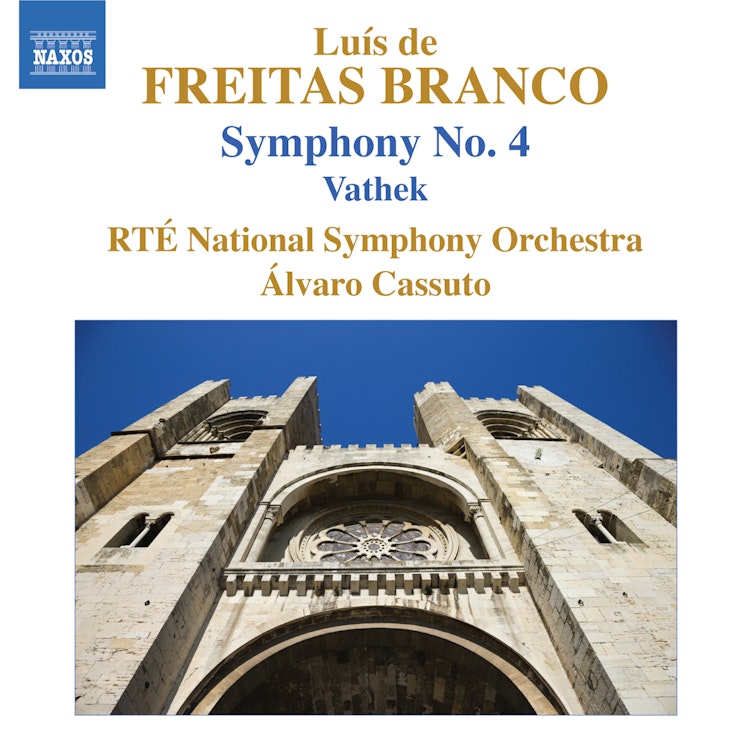
Freitas Branco's Symphony No. 4 represents the culmination of his symphonic vision of monumentality in music, combining neo-classic and late Romantic styles.
Compositional Technique
The Fourth Symphony by Freitas Branco is based on Gregorian chant, which unifies much of its thematic material and sets a chorale-like mood.
Composer Biography
Luís de Freitas Branco, the composer, was considered the most important Portuguese musician of the first half of the twentieth century, known both as a composer and a teacher.
Critical Reception
Vathek, with its polytonal fanfares and twelve-tone chords, was so revolutionary for 1913 Portugal that it would have been met with "utter repulsion."
Composition History
Freitas Branco's symphonic poem Vathek, though composed in 1913, was not performed until 1950, and its Third Variation was not played until 1961.
Compositional Technique
The Third Variation of Vathek features a fugato in 59 'voices', starting with eight solo cellos and building up to the full orchestra, which was unheard of in European music in 1913.
Performer Biography
Álvaro Cassuto, the conductor, is Portugal's foremost conductor and has led numerous orchestras worldwide, including the London Symphony and Philadelphia Orchestra.
You might also enjoy...
Casella: Symphony No. 3 - Elegia eroica
Bax: Symphony No. 2 / November Woods
Bax: Symphony No. 2 / November Woods
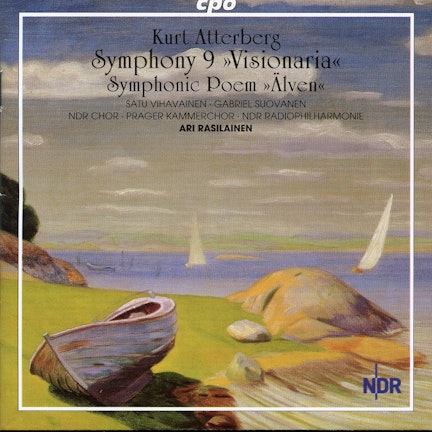
Atterberg: Sinfonia Visionaria - Alven (The River)
Zemlinsky: Seejungfrau (Die) / Symphony in D Minor