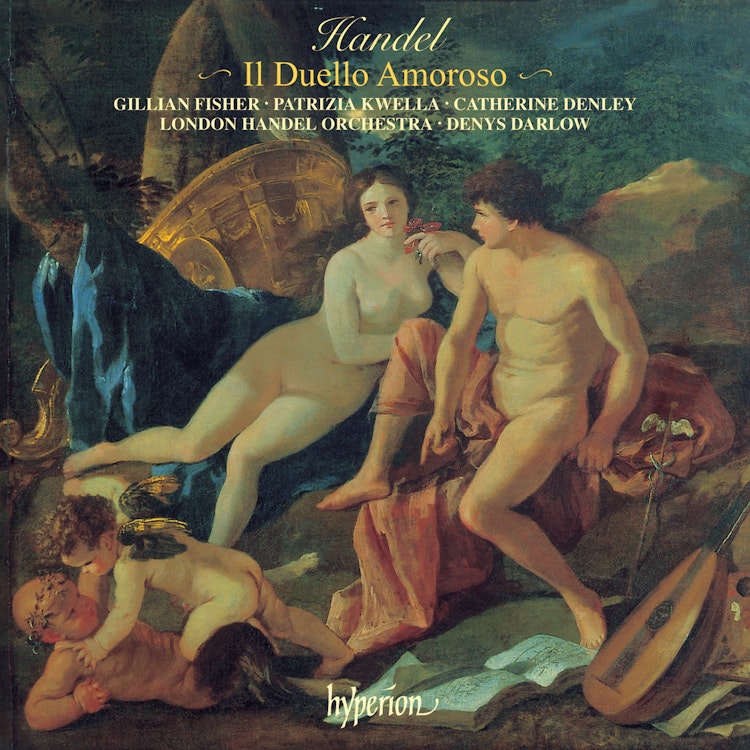
The cantata "Amarilli vezzosa," also known as "Il duello amoroso," is Handel's only cantata for soprano and alto combination, depicting an 'amorous duel' between a shepherd and shepherdess.
Composition History
Handel composed about a hundred cantatas in Italy, covering the full range of the genre, which provided him with valuable experience and a source of ideas for later works.
Compositional Technique
In "O come chiare e belle," the characters Olinto (soprano), Tebro (alto), and Gloria (soprano) allegorically represent Marchese Ruspoli, Rome, and the concept of Glory, respectively.
Composer Biography
Handel left his native Germany for Italy in 1706, where he spent about four years, a period crucial for his development as an opera composer.
Historical Context
Many of Handel's cantatas were written for Marchese Ruspoli, his most important Roman patron, and performed at the 'Arcadian Academy,' a society of noblemen and artists dedicated to cultural attainment.
Composition History
The cantata "O come chiare e belle" was an 'occasional' piece celebrating Marchese Ruspoli's offer of military assistance to Pope Clement XI during the War of the Spanish Succession.
Composer's Artistic Vision
In Italy, Handel aimed to perfect his skill in writing for the voice, which he achieved through composing cantatas for noble patrons rather than in the opera house.
You might also enjoy...
Handel: Hercules
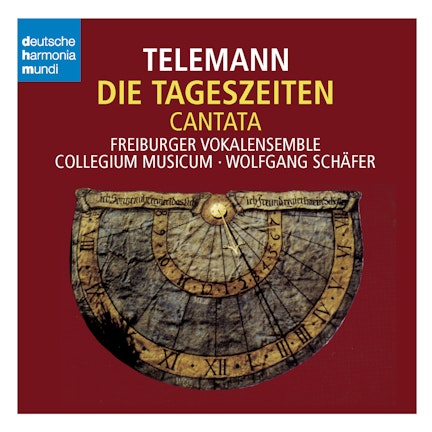
Telemann: Die Tageszeiten
Boismortier: Quatre Saisons (Les), Op. 5
Handel: Judas Maccabaeus
Handel: Apollo e Dafne, HWV 122
Händel: Judas Maccabaeus (GA)
G.F.Handel - JUDAS MACCABAEUS (Historically informed performance in English)