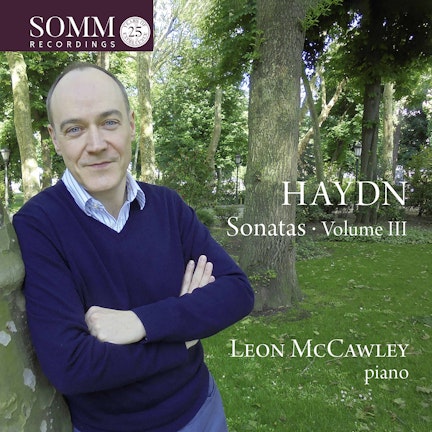
Haydn's C minor Sonata, No. 20, is considered his "Appassionata" due to its tragic intensity, expansive scale, and virtuoso demands.
Composition History
Haydn's sixty-odd piano sonatas, more than Mozart's contributions, chart the evolution of the classical sonata, from early divertimenti to works inspired by London's Broadwood pianos.
Compositional Technique
The C minor Sonata, No. 20, was Haydn's first keyboard work conceived for a touch-sensitive instrument like the clavichord or fortepiano, rather than the harpsichord.
Composition History
Haydn habitually composed on a clavichord, even owning a "worm-eaten clavichord" in his youth, and continued this practice into old age.
Performer Biography
Marc-André Hamelin, the performer on this album, is known for his unique blend of musicianship and virtuosity, and has recorded over fifty CDs for Hyperion.
Composition History
Many of Haydn's early harpsichord partitas and divertimenti were likely composed for young female students, including his first love, Therese Keller, who entered a convent.
Composer Biography
Haydn, the composer, described himself as "no wizard on any instrument," but he was a proficient keyboard player, singer, and violinist.