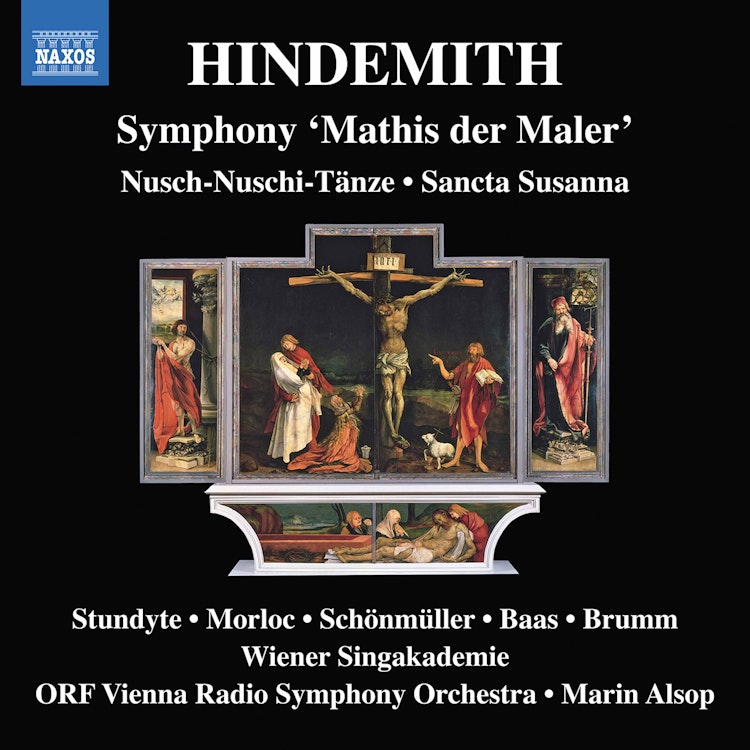
Hindemith: Nusch-Nuschi Tänze, Sancta Susanna, Op. 21 & Symphony "Mathis der Maler"
11/19/2021, 11 Tracks, 1:00:59
Featuring
Marin Alsop
Annette Schönmüller
Ausrine Stundyte
Caroline Baas
Enzo Brumm
Renée Morloc
ORF Radio-Symphonieorchester Wien
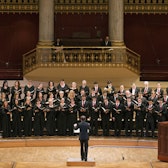
Wiener Singakademie
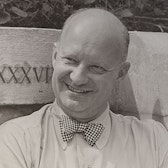
Paul Hindemith
Did you know?
1/7
Composition History
Hindemith's discovery of contemporary Expressionist poetry and drama in 1917 was a major turning point, transforming him into a leading new German composer.
Critical Reception
Hindemith's early trilogy of sexually charged one-act operas, including Sancta Susanna and Das Nusch-Nuschi, was condemned by the Nazis as 'Entartete Musik' ('Degenerate Music').
Historical Context
The opera and symphony 'Mathis der Maler' recall the life of German Renaissance painter Matthias Grünewald, who abandoned art to fight in the German Peasants' Revolt of 1525.
Composer Biography
Paul Hindemith's life was significantly shaped by the events of the two world wars, and he was called up for service at the end of 1917.
Performer Biography
Marin Alsop, the chief conductor of the ORF Vienna Radio Symphony Orchestra, was the first and only conductor to receive a MacArthur Fellowship and the first woman to conduct the BBC's Last Night of the Proms.
Composition History
The three one-act operas Mörder, Hoffnung der Frauen, Das Nusch-Nuschi, and Sancta Susanna are Expressionistic works united by the common theme of sexuality.
Composer's Artistic Vision
Hindemith, initially a Romantic and then an Expressionist, later embraced Neue Sachlichkeit ('New Objectivity'), an artistic movement reacting against overly emotional styles.
You might also enjoy...
Weinberg: Symphony No. 3 - Suite No. 4 from 'The Golden Key'