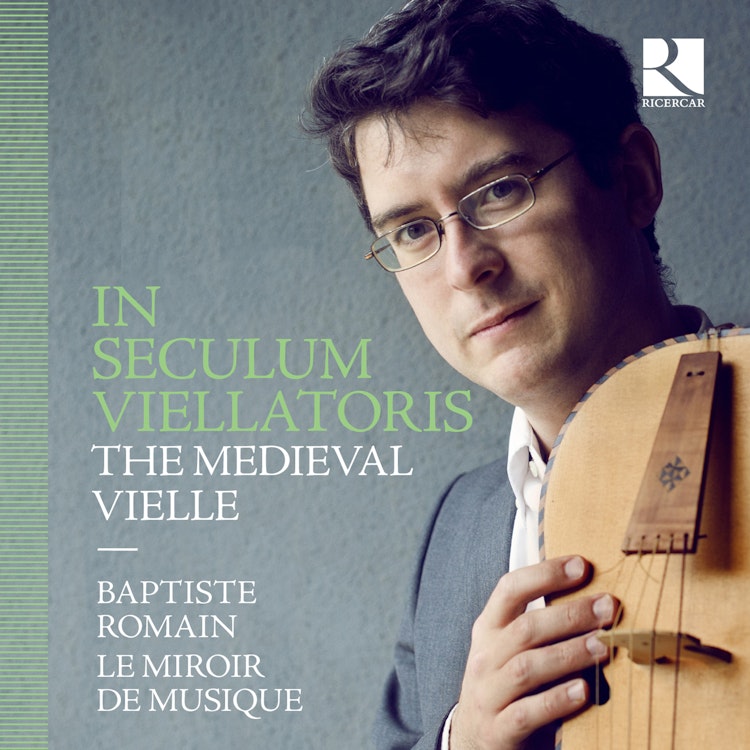
The medieval fiddle, or vielle, had a flat soundboard, was often waisted, and could have anywhere from one to seven strings, despite theorists often describing an ideal five-string instrument.
Instruments
The bowed vielle, an ancestor of the violin, was introduced to Europe from Central Asia around the 10th century, partly through trade with the Arab world and routes between Scandinavia and Constantinople.
Composer Biography
Perdigon, a Provençal troubadour active around 1200, was renowned for his viola playing and songwriting, and two of his three surviving melodies are featured on this album.
Historical Context
The fiddle was a versatile instrument, used for chansons, dances, instrumental pieces, and both monodic and polyphonic sacred music, according to theorists like Hieronymus of Moravia and Johannes de Grocheio.
Composition History
The estampies royales, like "La uitime estampie Real" from the Chansonnier du Roi, are among the earliest surviving instrumental works, based on the repetition of a refrain.
Performer Biography
Baptiste Romain, the director and a performer on this album, specializes in medieval and Renaissance music, having studied at the Schola Cantorum in Basel and now serving as a professor there.
Recording & Production
This album was recorded in May and June 2017 at Église Notre-Dame de Centeilles and Beuggen, Schloßkirche, with artistic direction, recording, and editing by Jérôme Lejeune.
You might also enjoy...
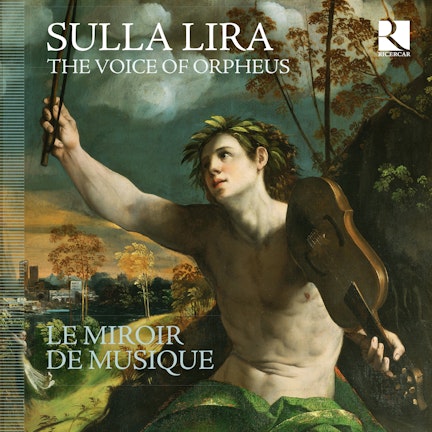
Sulla lira: The Voice of Orpheus
Terpsichore: Renaissance and Early Baroque Dance Music
Secret Consolations
De Lymburgia: Gaude Felix Padua
Martini: La fleur de biaulté
Dances of the Renaissance
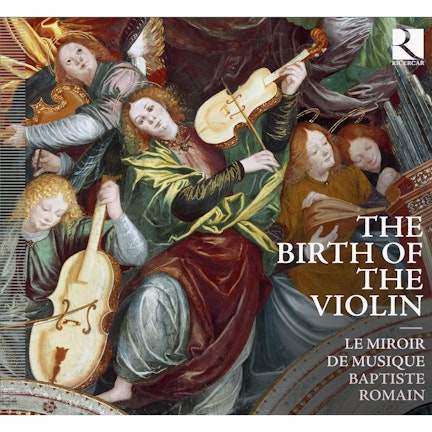
The Birth of the Violin
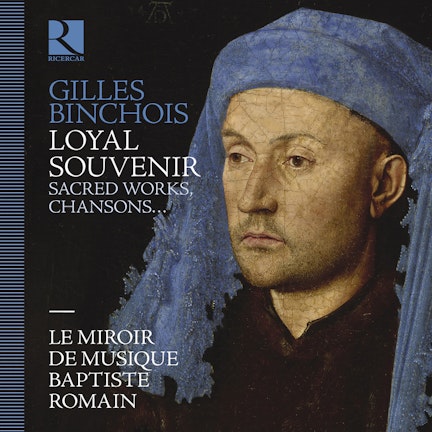
Gilles Binchois: Loyal souvenir
Dance Music Through the Ages: Renaissance; Early Baroque; High Baroque; Rococo; Viennese Classical Period; Biedermeier Period
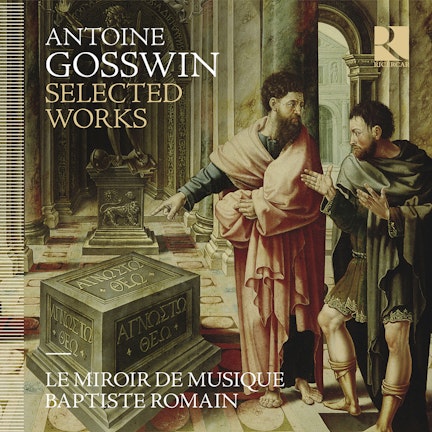
Antoine Gosswin: Selected Works
Salieri: Ouvertures, Scherzi & Divertimenti
Bolivian Baroque Vol 2: Music from the Missions and La Plata
Istampite: Medieval Pieces for Fiddle & Percussion