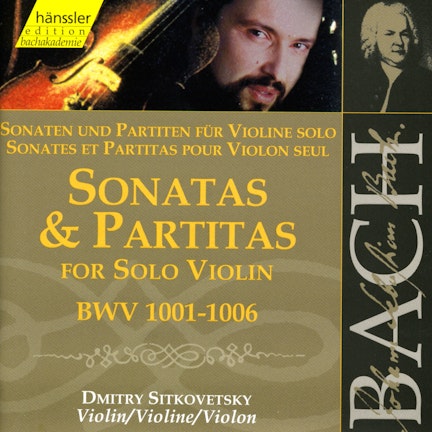
J.S. Bach: 6 Sonatas & Partitas for Solo Violin, BWVV 1001-1006
9/3/2021, 31 Tracks, 1:59:25
Featuring
Anca Vasile Caraman
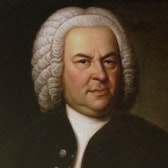
Johann Sebastian Bach
Did you know?
1/7
Composition History
Bach composed the Sonatas and Partitas for solo violin during his time at the court of Prince Leopold in Köthen, where he was encouraged to write secular instrumental works.
Composition History
The autograph manuscript of Bach's Six Solos for Violin without Bass Accompaniment, later known as Sonatas and Partitas, dates back to 1720.
Compositional Technique
Bach's collection weaves complex polyphonic pieces by enabling a single melody to contain both horizontal and vertical dimensions, building on the German violin school's use of double chords.
Performer Biography
Anca Vasile Caraman, the violinist on this recording, began studying violin at age 4 and has won 9 national prizes in Romania and 3 international prizes.
Compositional Technique
Bach's Sonatas and Partitas for violin are considered an experimental work that explores the idiomatic character of the instrument, similar to his Brandenburg Concertos and The Well-Tempered Clavier.
Critical Reception
The Sonatas and Partitas only entered the standard repertoire and became an essential benchmark for violin literature through the efforts of violinist Josef Joachim in the 19th century.
Composer's Artistic Vision
The collection combines two instrumental genres: the severe four-movement 'church sonatas' and the more worldly 'partitas,' which are sequences of dance rhythms.
You might also enjoy...
Bach: Complete Sonatas & Partitas for Violin Solo
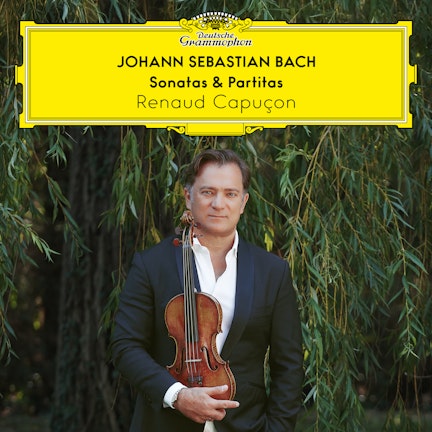
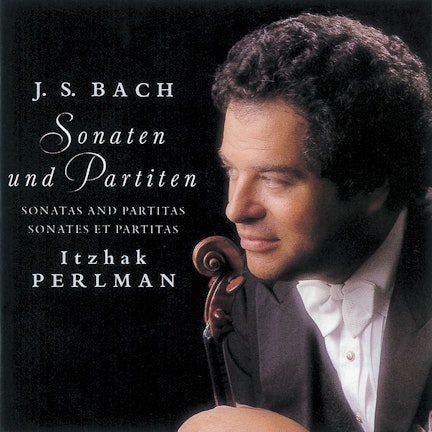
J.S. Bach: Sonatas & Partitas
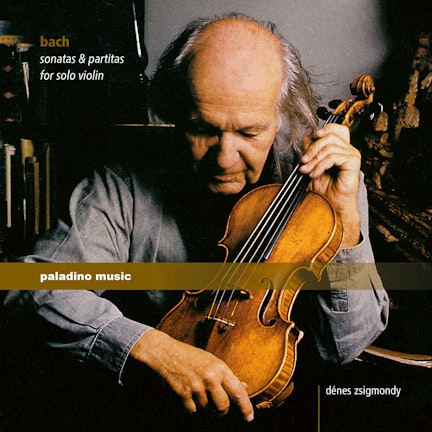
Bach: Sonatas & Partitas for Solo Violin
Bach
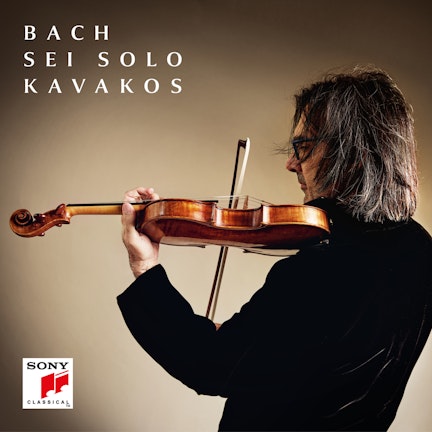
Bach: Sei Solo
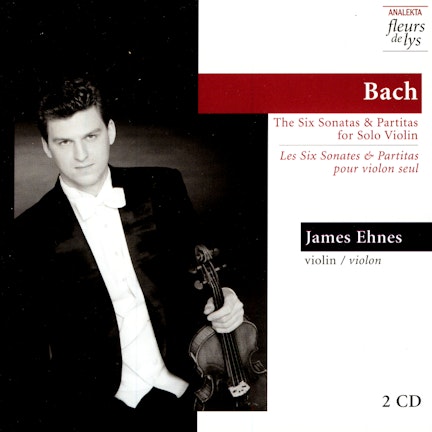
Bach: The Six Sonatas & Partitas for Solo Violin
Bach, J.S.: Sonatas and Partitas for Violin Solo
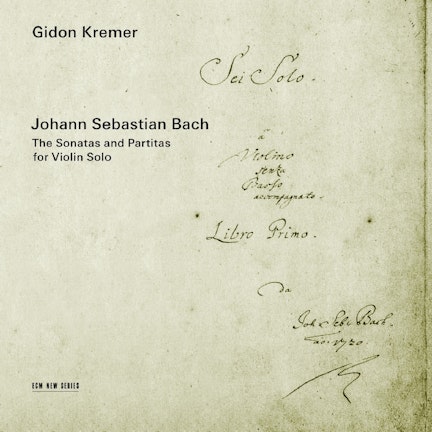
Bach: The Sonatas and Partitas for Violin Solo
Bach - Solo Violin Sonatas
Bach: Complete Sonatas & Partitas
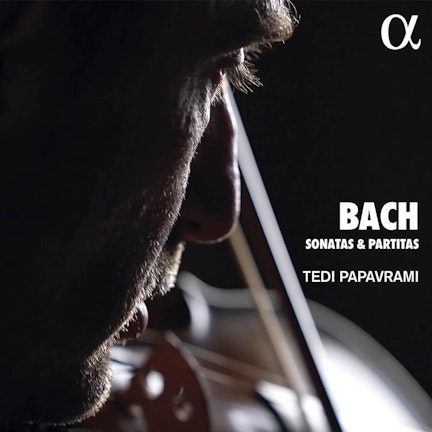
Bach: Sonatas & Partitas
Testament: Complete Sonatas and Partitas for Solo Violin by J. S. Bach
Bach, J.S.: Sonatas and Partitas for Solo Violin, Bwv 1001-1006