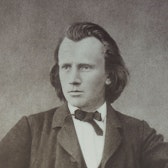
Robert Schumann, a prominent composer and critic, enthusiastically promoted the young Brahms in an 1853 article, designating him as the 'chosen one' and an avant-gardist.
Critical Reception
The Viennese premiere of Brahms's String Sextet, Op.36, in 1867 was tumultuous, with one critic reviling it as 'music of insidious, breathtaking boredom' that 'has neither body nor soul'.
Composer's Artistic Vision
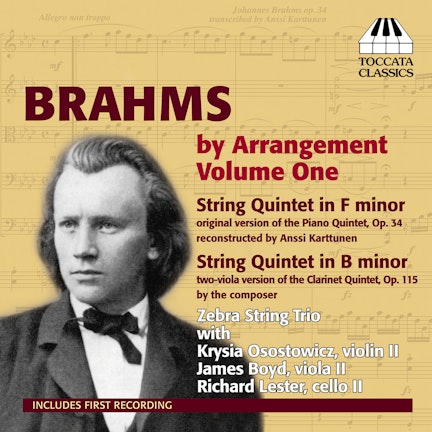
Brahms turned to the string sextet, perhaps to avoid the difficulty of writing a string quartet without being overshadowed by Beethoven.
Historical Context
Late 19th-century Vienna saw a cultural quarrel between the 'New Germans,' who favored programmatic music, and 'conservatives' like Brahms, who defended the heritage of 'absolute' music.
Composition History
Brahms's String Sextet, Op.18, was first performed on October 20, 1860, in Hanover by a group of soloists led by violinist Joseph Joachim.
Compositional Technique
Brahms's String Sextet, Op.18, transposes his taste for Franco-Flemish Renaissance polyphonies and Bach's counterpoint to a six-part string ensemble.
Performer Biography
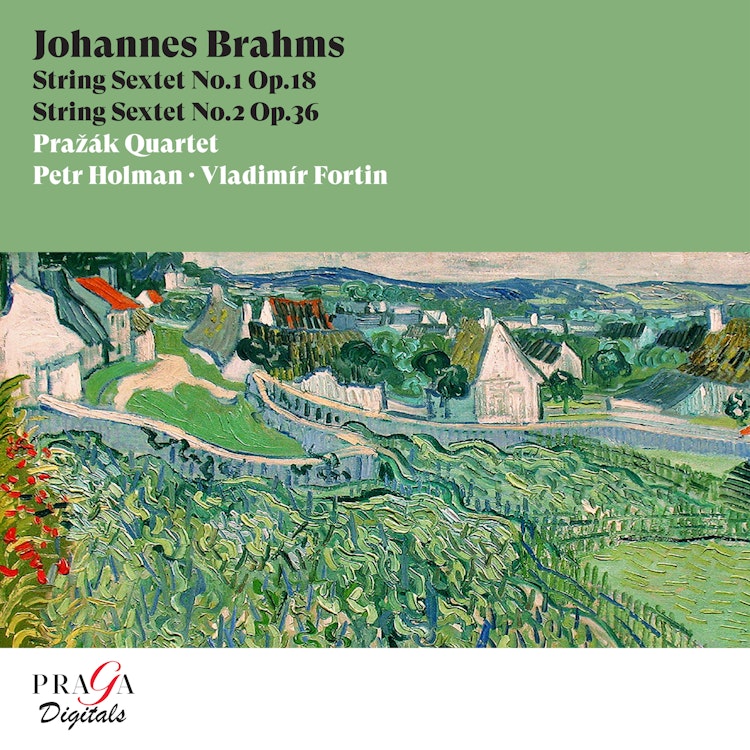
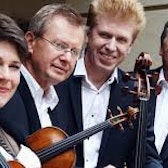
The Pražák Quartet, established in 1972, gained international recognition after winning the first prize at the 1978 Evian String Quartet Competition and a special prize from Radio France.