At the end of the 17th century, Italian music began to spread rapidly in France, leading to both disputes and the absorption and transformation of Italian musical models.
Historical Context
The violin, an Italian instrument, was initially scorned in France due to its association with the lower class, with viols remaining the preferred instruments.
Recording & Production
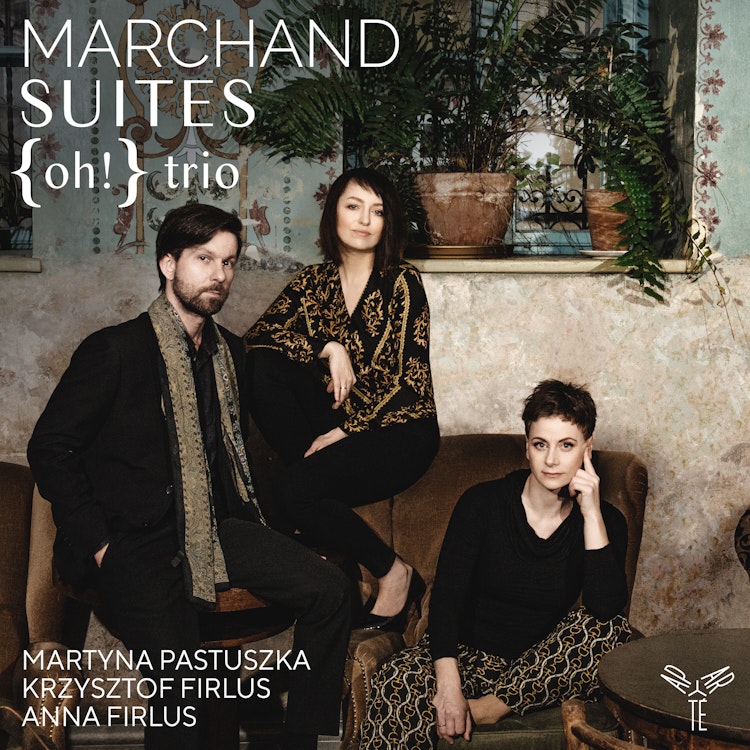
This recording was spread over two years and features Martyna Pastuszka on a Valentino Siani violin from 1638 and Krzysztof Firlus on a viola da gamba by Igor Przybylo (2009).
Interpretation
The performers varied the instrumentation for this recording, including a Baroque lute for the Third Suite and a positive organ for the Second Suite.
Composition History
Joseph Marchand's Suites de pièces mêlée de sonates pour le violon et la basse (1707) were appreciated by the King, which likely helped their publication.
Compositional Technique
Marchand's suites are notable for their use of double stopping and, for the first time in violin technique, double trills.
Composer Biography
Joseph Marchand (1673-1747) was born into a dynasty of violinists and played the basse de violon at the Chapelle Royale and with the Petits Violons from 1695.
You might also enjoy...
Siprutini: Cello Sonatas, Opp. 3 & 5
Vivaldi: Six Cello Sonatas
LANZETTI: Sonate a Violoncello Solo e Basso Continuo
Vivaldi: Cello Sonatas
Echoes of My Childhood
Geminiani: 6 Cello Sonatas, Op. 5
Ozi: First Sonata In G Major: I. Allegro moderato
Vivaldi: Cello Sonatas
Marcello: 6 Cello Sonatas
Vivaldi : 6 Cello Sonatas
Luigi Boccherini: Sonatas for Cello and Continuo, Vol. I