In 19th-century France, revolutions led to the destruction of thousands of organs, with their pipes used for the war industry, causing the instrument's decline until the rise of the 'symphonic' organ.
Recording & Production
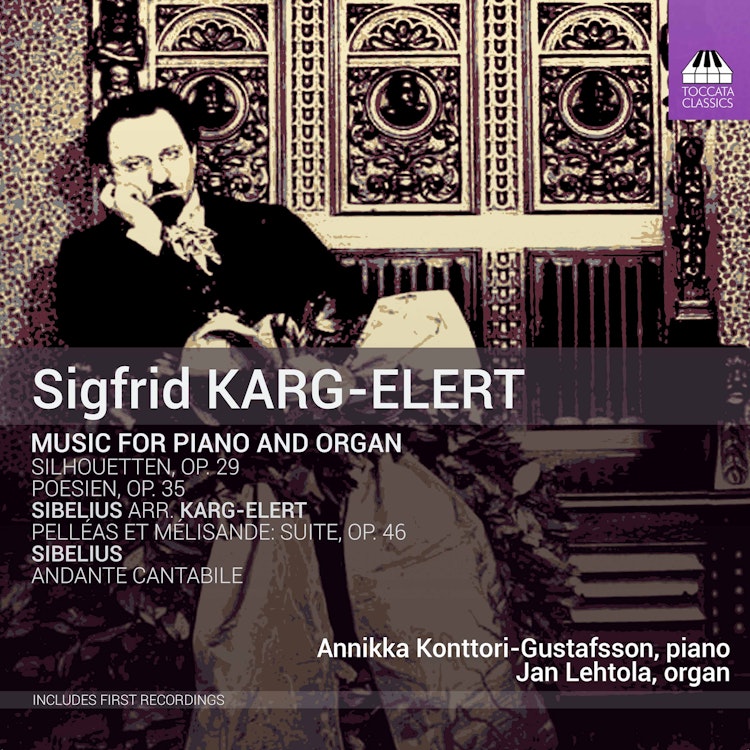
This recording uses an organ instead of a harmonium because Finland lacks harmoniums of the special construction required, such as the French model or the Kunstharmonium favored by Karg-Elert.
Composer Biography
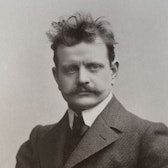
Jean Sibelius, a Finnish composer, wrote for harmonium early in his career and later returned to it, with his Musique Religieuse (Masonic Ritual Music), Op. 113, including pieces for solo harmonium and harmonium accompaniment.
Performer Biography
Jan Lehtola, one of Finland's successful organists, has given over 150 world and regional premieres and has recorded more than 30 commercial albums.
Instruments
Leading organ-builders like Cavaillé-Coll and Merklin began producing harmoniums for homes and schools due to strong demand from the middle class.
Compositional Technique
In the Romantic era, the playing technique for piano, organ, and harmonium did not differ greatly, with students often taught organ in the same way as piano.
Historical Context
The harmonium was a popular and inexpensive instrument in the Romantic era, adding variety to home music-making and enjoying a brief but rich career as a concert instrument.