The entire cycle of seven psalms follows a plan, with each psalm set in one of the first seven church modes, establishing tonal coherence.
Composition History
Orlande de Lassus, a composer at the court of Duke Albrecht V of Bavaria, was commissioned around 1559 to set the seven penitential psalms to music.
Composer's Artistic Vision
Lassus's music for the penitential psalms is generally calm, meditative, and devout, reflecting the contemplative nature of the texts, with rare, impactful outbursts.
Album & Artwork
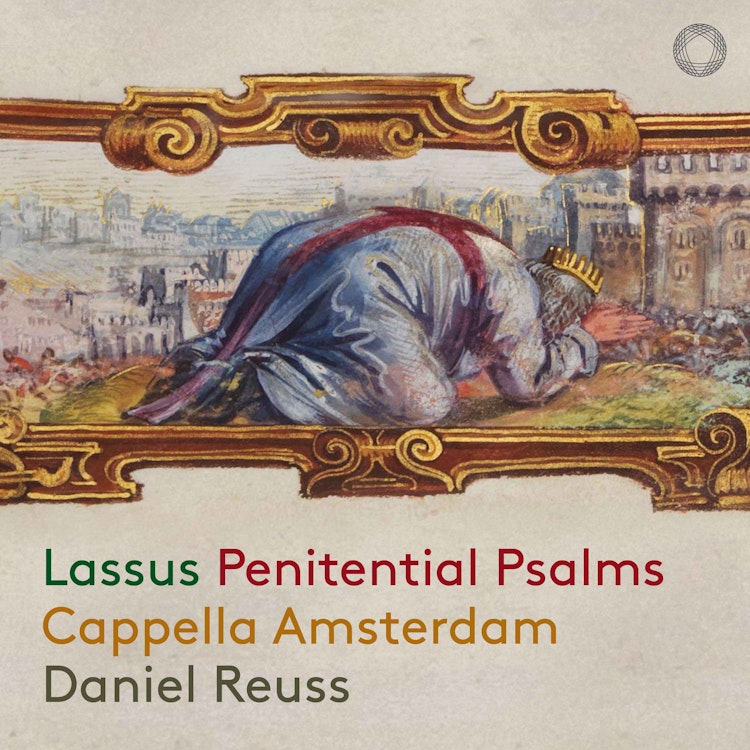
The original manuscript of Lassus's Penitential Psalms is a Gesamtkunstwerk, combining his music with illustrations by Hans Mielich and commentaries by Samuel Quiccheberg.
Compositional Technique
Lassus structured his composition according to psalm verses, adapting the ancient liturgical model of monophonic psalm recitation to polyphony and ending each psalm with the Gloria Patri.
Cultural Impact
Each of Lassus's seven penitential psalms is linked to one of the seven deadly sins, such as arrogance, greed, gluttony, and anger.
Historical Context
Lassus's setting of the penitential psalms was initially intended exclusively for use at court, known as musica reservata, and he was not allowed to publish the cycle until 1584.