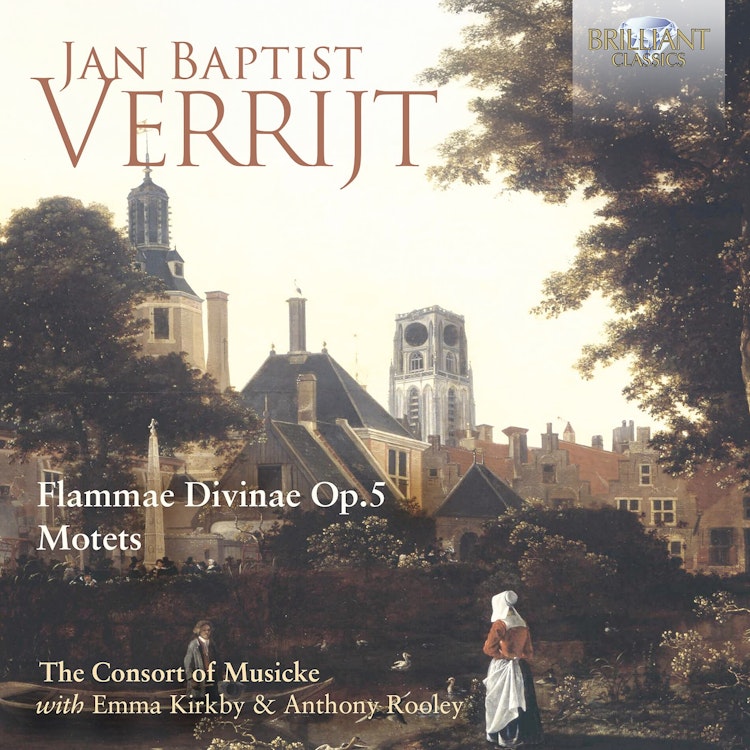
In Flammae divinae, Jan Baptist Verrijt masterfully combines the lively Italian stile concertato with the polyphonic techniques of the older Franco-Flemish school.
Historical Context
During the 17th century Dutch Golden Age, music in the Netherlands was considered 'barren' compared to its flourishing trade, painting, and literature.
Historical Context
Many Northern European composers, including Jan Baptist Verrijt, were influenced by the Italian musical style, particularly that of Claudio Monteverdi, despite some irritation at the blind adoration of Italian music.
Composition History
Jan Baptist Verrijt's Flammae divinae, Opus 5, published in 1649, is the only known surviving work by the composer, as his earlier opuses have been lost.
Composer Biography
Jan Baptist Verrijt converted to the 'reformed religion' in 1639 to increase his opportunities for well-paid organist jobs in Protestant churches.
Compositional Technique
Jan Baptist Verrijt used operatic and madrigal techniques to add drama to his church music, such as illustrating the cry 'Heu!' with a sharply dissonant, ascending motif in 'Fili, Ego Salomon'.
Composer Biography
Jan Baptist Verrijt, born around 1600 and died in 1650, is considered one of the most important Dutch composers of the 17th century, alongside Jan Pieterszoon Sweelinck.