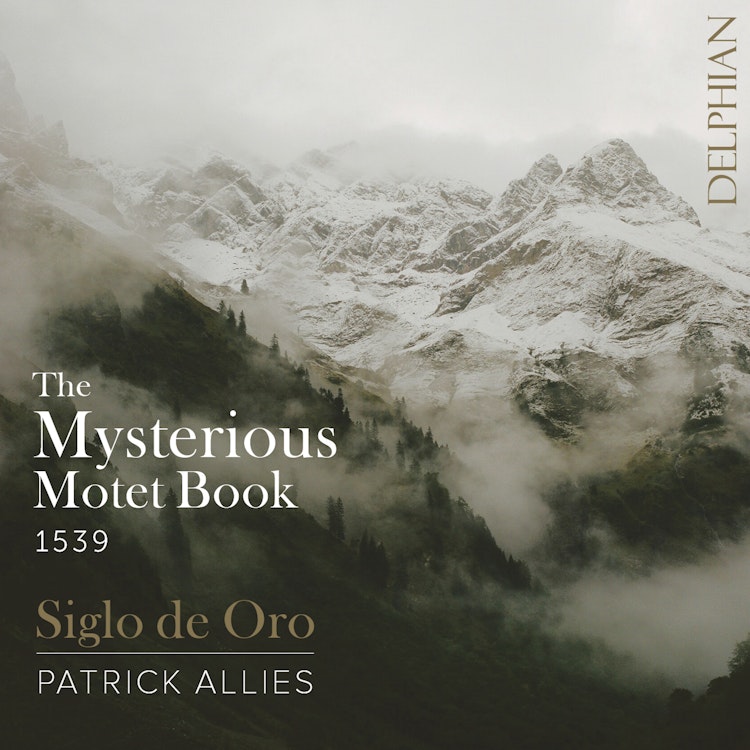
Siglo de Oro, the vocal ensemble performing on this album, specializes in bringing neglected repertoire to new audiences and has made four critically acclaimed recordings with Delphian Records.
Composition History
The anthology's publication by a Protestant printer in Germany, despite its Catholic origins and royal privilege from a Catholic monarch, suggests a canny business move to capitalize on the growing market for German motet anthologies.
Composer's Artistic Vision
Martin Bucer, a former Dominican friar who led the Reformation in Strasbourg, believed music in church had to serve the text and should not distract the listener or performer.
Historical Context
The Cathedral of Notre-Dame in Strasbourg, where this music's context originates, experienced a religious upheaval in the 16th century, marking the beginning of the Protestant Reformation in the city.
Composition History
The motets on this album come from a mysterious 1539 anthology, Cantiones quinque vocum selectissimae, published by Protestant Peter Schöffer the Younger in Strasbourg, but with contents sent from Catholic Milan by choirmaster Hermann Matthias Werrecore.
Compositional Technique
The motet Veni electa mea is the only piece in Schöffer's Cantiones collection to include a section in sesquialtera time, which means a change to three beats in the time of two.
Recording & Production
All tracks on this album are premiere recordings, meaning they have never been recorded before.
You might also enjoy...
Palestrina: Missa Papae Marcelli - Byrd: Mass a 5 / Laudibus in sanctis
The Tallis Scholars: Perfect Polyphony
Victoria, T.L. De: Missa Dum Complerentur / Missa Simile Est Regnum Coelorum
Victoria: Missa Trahe me post te & Other Sacred Music
Roma æterna
Victoria: Ave regina caelorum & Other Sacred Music
Lassus: Penitential Psalms
Byrd: Vigilate
Les messes à teneur
Lassus: Psalmi Davidis poenitentiales
Dufay: Missa "Se la face ay pale", Magnificat quinti toni & Missa "Ecce ancilla Domini"