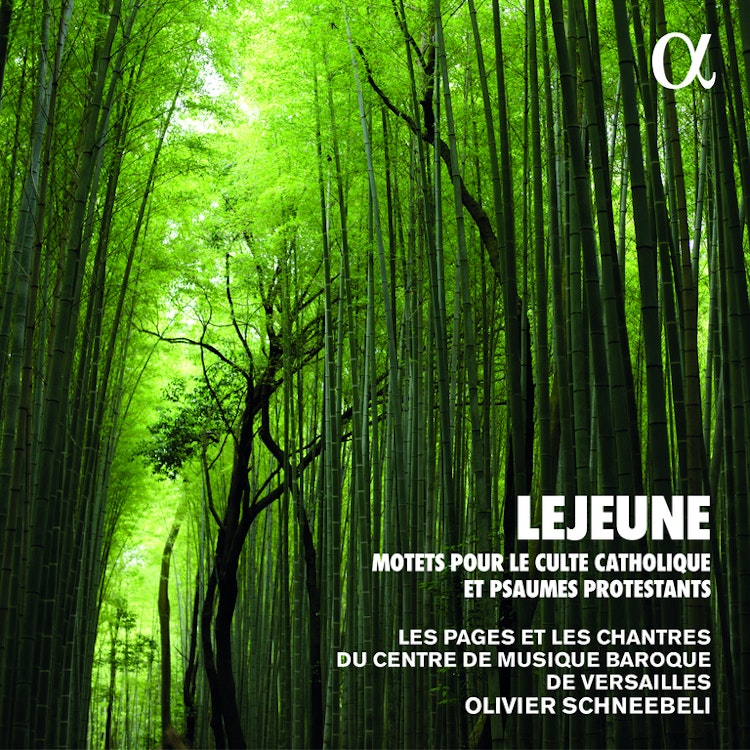
Lejeune: Motets pour le culte catholique et psaumes protestants
6/18/2021, 9 Tracks, 58:44
Featuring
Olivier Schneebeli
Les Chantres du Centre de Musique Baroque de Versailles
Les Pages De La Chapelle
Les Symphonistes De La Chapelle
Claude Le Jeune
Did you know?
1/7
Compositional Technique
The motet Tristitia obsedit me uses the cantus firmus tradition, borrowing the fragment 'In te Domine speravi' from a motet by Lupus Hellinck, which appears episodically like an ostinato.
Composer Biography
Claude Lejeune (c. 1530-1600), the composer, was a member of both the Reformed Church and the French court, reflecting a period of religious tolerance.
Composition History
Lejeune's Magnificat, published posthumously, was likely commissioned for a significant occasion, possibly Henri IV's coronation in February 1594.
Composition History
Many pieces on this recording belong to 'musique mesurée à l'antique,' a fascinating experiment initiated by Jean-Antoine de Baïf's Académie de Poésie et de Musique in 1570.
Compositional Technique
Musique mesurée à l'antique aimed to reunite poetry and music by setting French verse, based on ancient Greek and Latin metric schemes, to homorhythmic music that ensured word intelligibility.
Historical Context
The text for Tristitia obsedit me includes a meditation written by the 'heretic' monk Savonarola shortly before his execution in Florence in 1498.
Composer's Artistic Vision
Lejeune's work shows a 'cohabitation' between Huguenot repertoires in French, such as polyphonic psalms, and Catholic repertoires in Latin, including a Mass, a Magnificat, and motets.
You might also enjoy...
Lejeune: Muze honorons, l'illustre & grand Henry
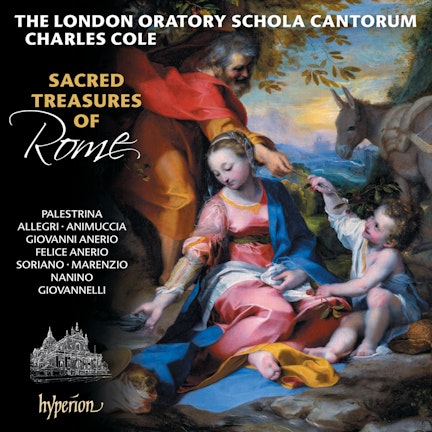
Sacred Treasures of Rome (Palestrina & His Contemporaries – A Golden Age of Polyphony in Rome)
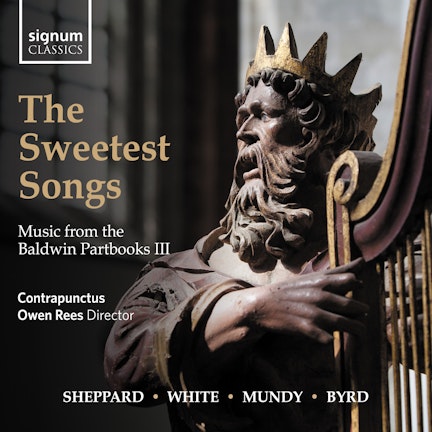
The Sweetest Songs: Music from the Baldwin Partbooks III
Splendours of the Gonzaga. Sacred Music from Wert to Monteverdi
Richafort: Requiem
De la Rue: Requiem - Elegies and Occasional Motets
Robert Fayrfax (1464-1521): Music for Tudor Kings and Queens
Sacred Music Of Thomas Tallis
Timor Mortis (D'Argentil, Sermisy, Barra)
Dez Prez: Motets, 1490-1520
Busnois: Missa O Crux lignum - Motets - Chansons
Brumel: Mass/Sequentia "Dies Irae"
Journeys to the New World: Hispanic Sacred Music from the 16th & 17th Centuries