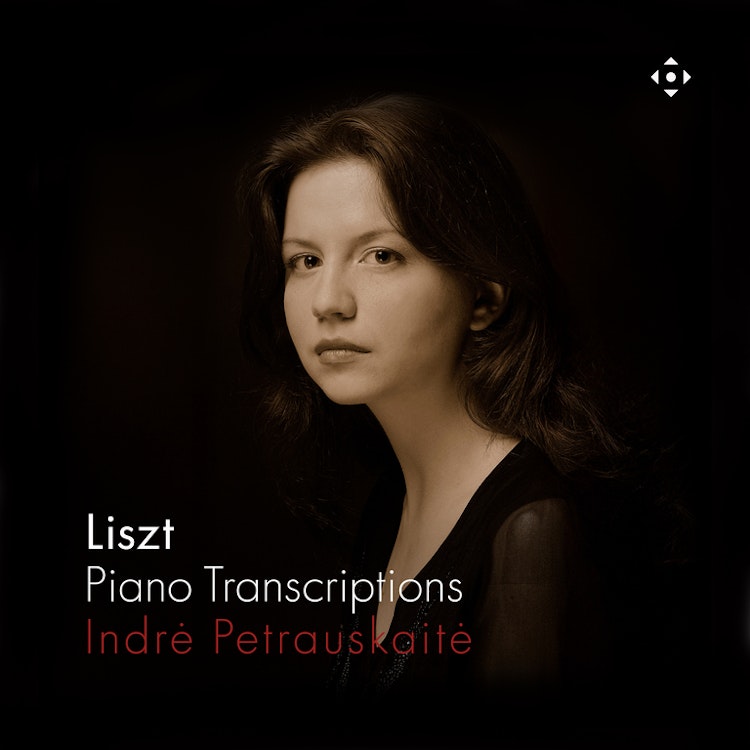
Liszt's arrangements fall into two categories: paraphrases, which are free compositions based on other works, and transcriptions, which aim to be more faithful to the original.
Interpretation
The pianist's interpretive decisions for Gounod's 'Valse de l'opéra Faust' were influenced by the idea of Faust as a civilized and intelligent character carefully hiding an evil spirit.
Performer Biography
Indrė Petrauskaitė, the pianist on this album, won third prize at the Stasys Vainiūnas International Piano Competition in Lithuania in 1993 and first prize in a national chamber music competition in 1994.
Composer's Artistic Vision
Franz Liszt, one of the greatest transcribers of the nineteenth century, deeply loved the music of other composers and arranged nearly half of his own works from their music.
Recording & Production
This album was recorded in 2007 in Klaipėda Concert Hall, Lithuania, because the venue had recently acquired a new Steinway piano, which was a rare find in Lithuania at the time.
Historical Context
In the 19th century, piano transcriptions helped disseminate and popularize composed music, serving a function later taken over by mass-produced sound recordings.