The listener is kindly requested to decrease the gain on the amplifier when listening to the lute, as otherwise, all nuances disappear.
Historical Context
Mr. Beck, a professional musician, became prominent after winning a lawsuit in 1691 for holding a concert without a license, marking a turning point for public concerts in Edinburgh.
Historical Context
The ancient improvised tradition of 'clarsach' (Celtic harp) playing in Scotland was passed down orally and never written, with players often blind and traveling between castles.
Composer Biography
Ennemond Gaultier, known as "le vieux," was a celebrated lutenist who served Queen Regent Marie de Medici and taught a generation of lutenists, including Du But, Dufaut, and Gallot.
Historical Context
The 'auld alliance' between Scotland and France remained strong in the 17th century, with many young Scotsmen sent to France for their education, which helped maintain enthusiasm for the lute among them.
Historical Context
After James VI disbanded the Scottish court in 1603 to take the English throne, lute playing remained a natural expression for the musical talents of the noble classes who adhered to the court's artistic ideals.
Compositional Technique
Many Scottish lute pieces, often called 'Lilts' and 'Ports', are characterized by pentatonic melodies, lack of modulation, and inconsistent bar-divisions, contributing to their charm and spontaneity.
You might also enjoy...
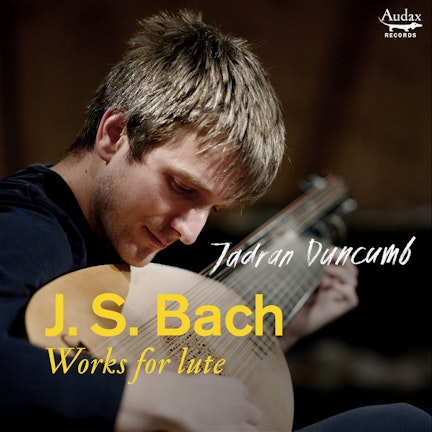
Bach: Works for lute
Weiss, S.L.: Lute Sonatas, Vol. 7 - Nos. 15, 48
Bach Aufs Lautenwerk
Tombeaux - Remembrances
Laudon Schuett: Dedications - New Works for the Lute
Libro primo
Virtuoso Lute Music From Italy and England
Am I Dreaming? (Contemporary Music for Baroque Lute)
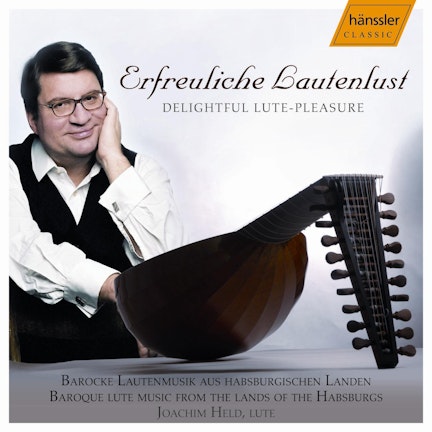
Held, Joachim: Baroque Lute Music From the Lands of the Habsburgs
Lorenzino Del Liuto: Lute Music
Mortua dulce cano. A Florilegium of Late Renaissance Lute Music
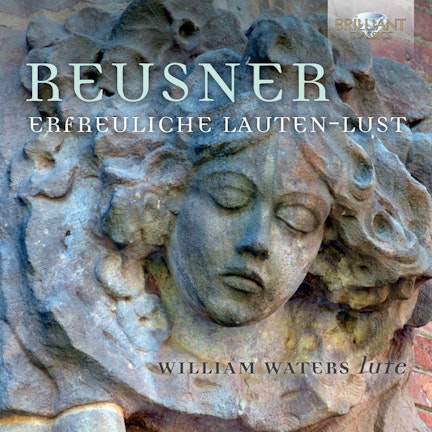
Reusner: Erfeuliche Lauten-Lust
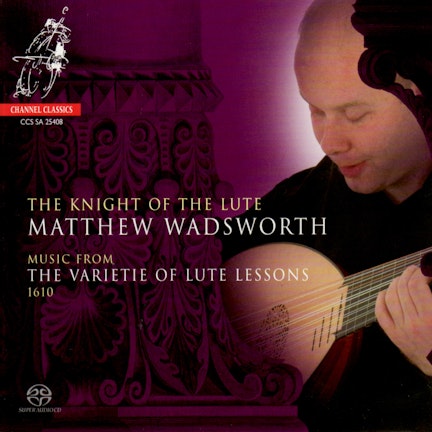
The Knight of the Lute - Music From the Varietie of Lute Lessons 1610