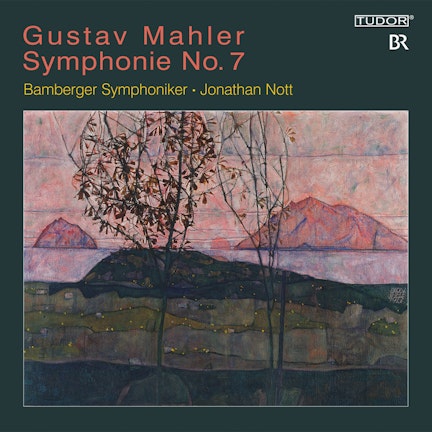
Mahler's Symphony No. 7 is believed to be a reversal of his 'Tragic' Sixth Symphony, moving from darkness to an optimistic conclusion, suggested by its 'progressive tonality' from B minor to C major.
Performer Biography
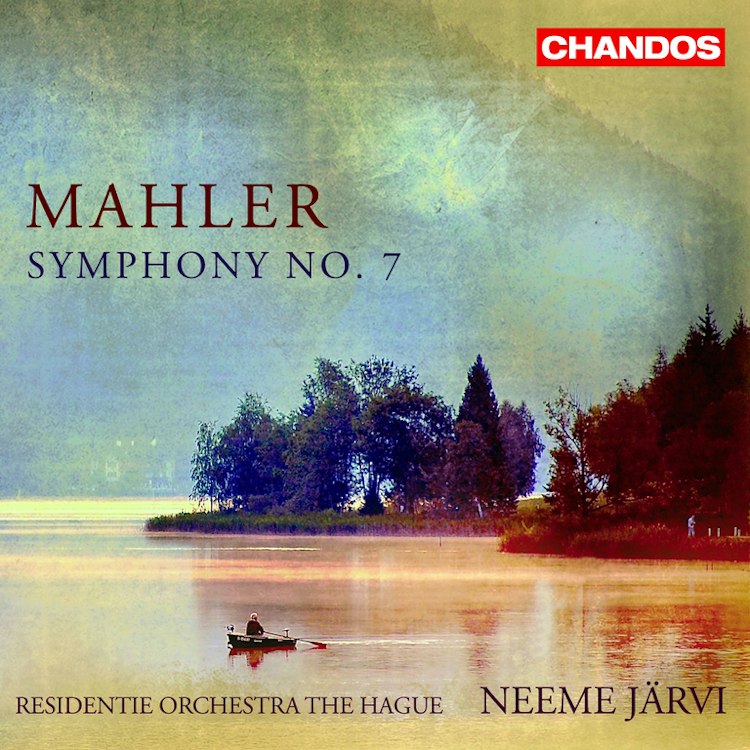
Neeme Järvi, the Chief Conductor of the Residentie Orchestra The Hague, has an extensive discography of over 400 recordings, with more than 150 for Chandos alone.
Compositional Technique
Mahler's Symphony No. 7 features unusual instruments like a tenor horn, cornet, mandolin, and guitar, which expanded the range of color and sonority and was noted by the Schoenberg school.
Composition History
Gustav Mahler's Symphony No. 7 evolved over two years, with the second and fourth movements (serenades) composed first in 1904, and the remaining movements completed in a four-week burst in 1905.
Notable Performances
The world premiere of Mahler's Symphony No. 7 was conducted by Mahler himself in Prague on September 19, 1908, and its Vienna introduction by Ferdinand Löwe later that year drew admiration from Arnold Schoenberg.
Composition History
Mahler found inspiration for the opening of the first movement of Symphony No. 7 during a boat trip across a lake in Maiernigg, after struggling with depression and writer's block.
Recording & Production
This recording was made at the Dr Anton Philipszaal in The Hague, The Netherlands, on June 5 and 6, 2009.