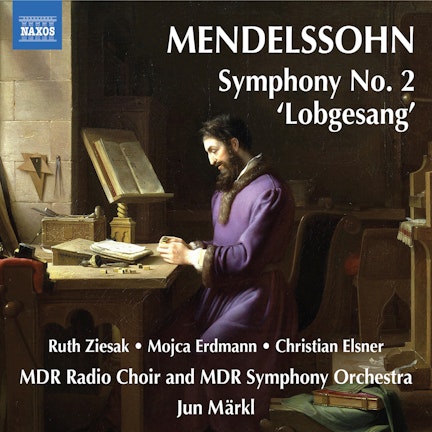
Mendelssohn's "Lobgesang" aimed to celebrate art and the human spirit, recognizing God's work in human inventions and using human intellect to praise God.
Composition History
Felix Mendelssohn Bartholdy was commissioned to write this symphony for the 400th anniversary of Johannes Gutenberg's invention of the printing press in Leipzig in 1840.
Critical Reception
Despite initial praise from Robert Schumann, Mendelssohn's "Lobgesang" faced criticism for its formal parallels to Beethoven's Ninth Symphony, leading to its disparagement by figures like Richard Wagner.
Composer's Artistic Vision
Mendelssohn personally selected the biblical texts for the vocal parts of "Lobgesang," primarily from the Book of Psalms, but also from other Old and New Testament books.
Compositional Technique
Mendelssohn's Symphony No. 2, titled "Lobgesang" (Hymn of Praise), is a mixed form of symphony and cantata, with three instrumental movements introducing a much more extensive vocal section.
Composer Biography
Felix Mendelssohn Bartholdy, grandson of the Jewish philosopher Moses Mendelssohn, converted to Christianity with his family.