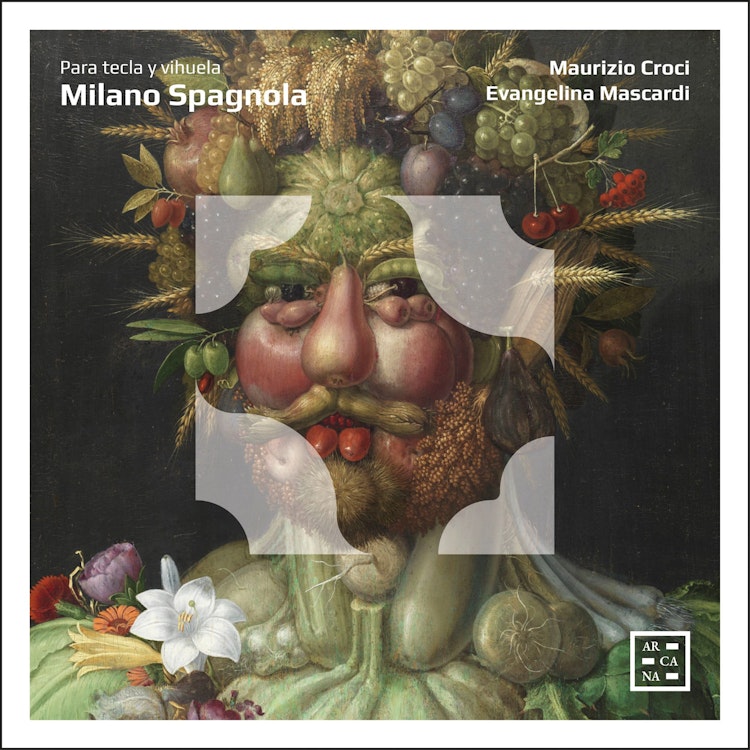
Antonio de Cabezón, a musician at the court of Charles V and Philip II, was highly esteemed by Philip II, who favored him above all other musicians.
Interpretation
Luis Milán, in his work El maestro, provided performance instructions for 'tañer de gala' pieces like Fantasia de tento, advising to play chords slowly and diminutions fast.
Instruments
The surprising Fantasía que contrahaze la harpa en la manera de Ludovico by Alonso Mudarra uses chromaticism to imitate the playing style of a legendary harpist who could produce chromatic notes on a diatonic instrument.
Composition History
In 1557, Venegas de Henestrosa introduced a new notational system, cifra nueva, to make the vihuela repertoire accessible to keyboard players, as keyboard repertoire was not comparable in quality or quantity at the time.
Composition History
Matthias Herman Verecorensis, maestro di cappella at Milan Cathedral, composed La Bataglia Taliana (Italian Battle) to celebrate the victors of the Battle of Pavia, the Emperor and Francesco II Sforza, mocking the defeated French.
Compositional Technique
In Spanish instrumental music from the reigns of Charles V and Philip II, the same music was often attributed to different instruments like the tecla (keyboard instrument), vihuela, and harp.
Historical Context
The Battle of Pavia in 1525 marked the beginning of a long period of Spanish domination in Milan, lasting almost two centuries, under Charles V and Francesco II Sforza.
You might also enjoy...
The Fitzwilliam Virginal Book, Vol. 7
Byrd: Complete Harpsichord and Organ Music
Sweelinck: Works for Harpsichord
Byrd: My Ladye Nevells Booke
The Art of Variation - Secular Cycles
Sweelinck: Keyboard Works
Fitzwilliam Virginal Book Vol. 2
Sweelinck: Keyboard Music, Vol. 2
English Virginals Music
Fantasias, Toccatas & Variations
Byrd: Complete Fantasias for Harpsichord
William Byrd: Keyboard Works
Bull & Farnaby: English Renaissance Keyboard Music