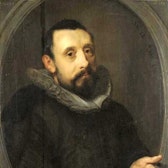
Jacobus Gallus (also known as Jacobus Handl), a Renaissance composer, used chromatic and enharmonic procedures in his five-part "Mirabile Mysterium" to create surprisingly novel tone colours.
Historical Context
The detail about three wise men visiting Jesus is only found in St. Matthew's Gospel; other Evangelists and contemporary historians do not mention it.
Compositional Technique
The anonymous medieval composition "Balaam de quo vaticinans" is built on an isorhythmic Gregorian cantus firmus, with a rhythmically lively upper voice in hocket style.
Album & Artwork
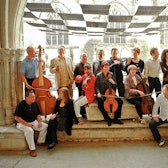
This album, "A European Christmas Tale," covers Christmas music from the period 1300-1850.
Cultural Impact
The Spanish villancico, a popular vernacular genre, was banned from King Philip II's royal chapel during liturgy in 1596 for being too populist, but the Spanish Church supported it as part of the Counter-Reformation.
Historical Context
The names of the three kings (Balthasar, Melchior, and Caspar) first appeared in an 8th-century chronicle titled "Excerpta Latina Barbari."
Historical Context
The Christmas story, particularly the birth of Jesus, is the most popular and imaginative passage in the New Testament, inspiring myths, folktales, and art over centuries.
You might also enjoy...
Le Chant de Virgile
Le chant de Virgile
Di Lasso: Choral Works
Figures of Harmony: Songs of Codex Chantilly c. 1390
The Music Prints of Christophe Plantin
Willaert: Vespers of the Blessed Virgin
Manchicourt
Gilles Joye: Missa O Rosa bella & Chansons
Renaissance Love Songs
Nueva Española - Close Encounters of the New World, 1590-1690