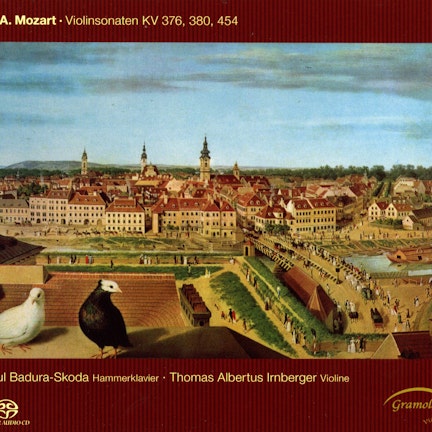
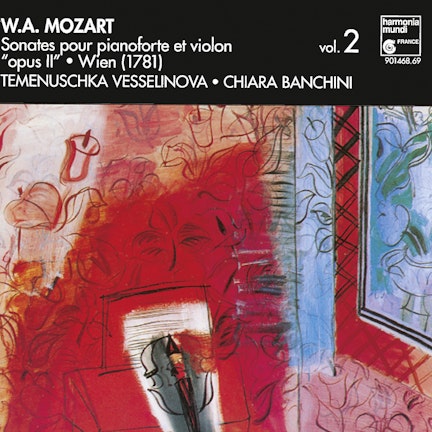
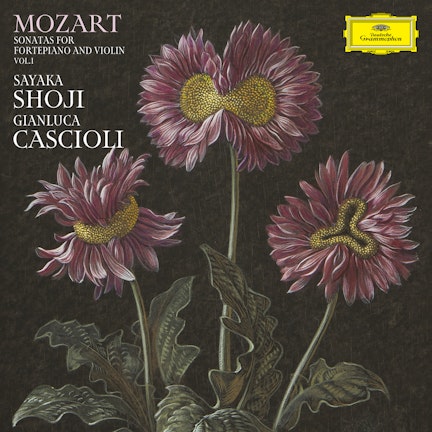
Mozart's 'Palatine' Sonatas, dedicated to Electress Palatine Elisabeth Auguste of Sulzbach, marked a shift towards a new balance between keyboard and violin, with the violin becoming a genuine partner.
Composition History
Mozart dedicated a group of sonatas, published in 1781, to his talented piano student Josepha Auernhammer, with whom he also performed.
Compositional Technique
Mozart's later sonatas, such as K379, show him writing the violin part first, indicating the instrument's increased importance.
Composition History
In 1778, Mozart composed four sonatas in Mannheim, where the splendid orchestra attracted musicians from all over Europe, later adding two more in Paris for a set of six.
Cultural Impact
Through the virtuosity of his writing and the complex dialogue between instruments, Mozart laid the foundations of the modern duo sonata, setting standards that Beethoven later adopted.
Composer Biography
Mozart's father, Leopold, was a renowned violinist and teacher who authored a famous violin method called "Versuch einer gründlichen Violinschule."
Historical Context
Mozart's early sonatas for keyboard and violin were often intended for amateur musicians and were published as 'harpsichord with optional violin accompaniment,' where the violin merely echoed the keyboard.
You might also enjoy...
Mozart: The Late Sonatas for Pianoforte and Violin
Mozart: Violin Sonatas, Vol. 2
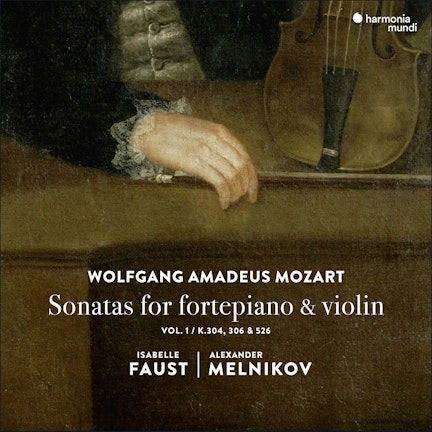
Mozart: Sonatas for Fortepiano and Violin
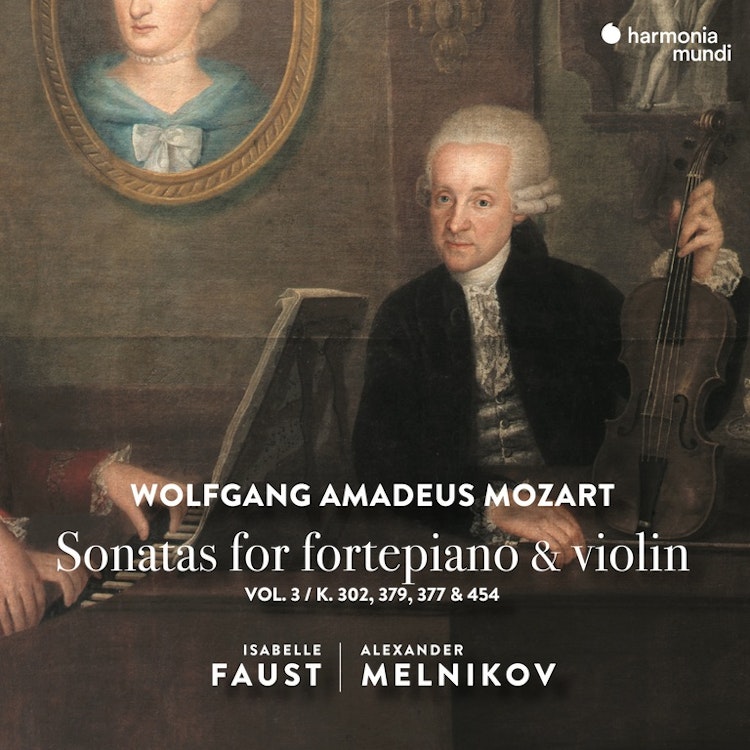
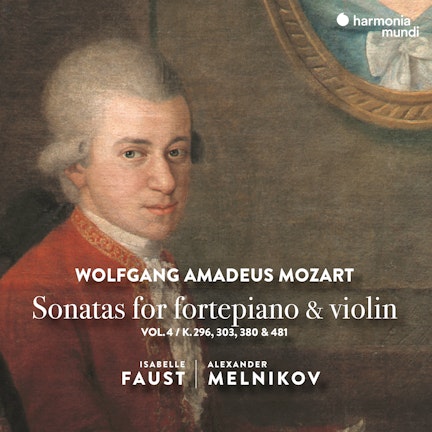
Mozart: Sonatas for fortepiano & violin, Vol. 4
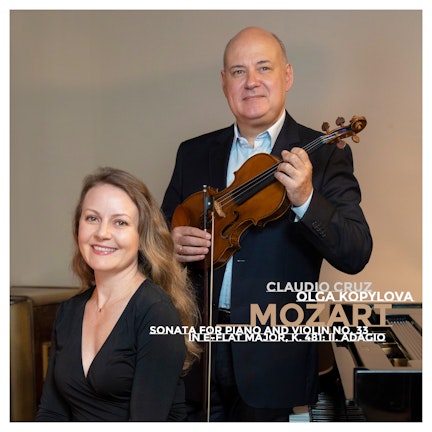
Mozart: Sonata for Piano and Violin in E-Flat Major, K. 481, No. 33: II. Adagio