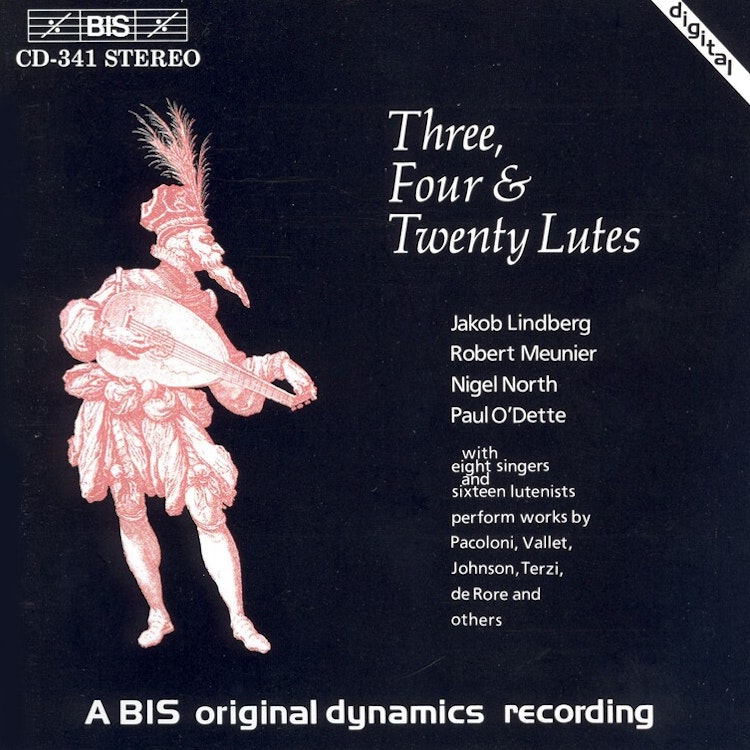
Giovanni Antonio Terzi, a great Italian lute virtuoso of the late 16th century, was also highly esteemed as a singer, and his two books of lute music (1593 and 1599) contain some of the finest original compositions for the solo instrument.
Instruments
The lute, though usually considered a solo instrument, was frequently brought together in larger ensembles, sometimes up to 40 plucked instruments for special occasions like masques or Florentine intermedi.
Performer Biography
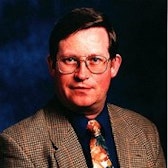
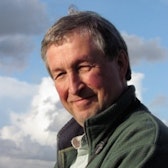
Nigel North, a professor of lute at the Guildhall School of Music and Drama, established a unique career as a specialist in baroque lute and continuo playing, and in 1985 gave the first complete performance of Bach's lute music at Wigmore Hall.
Historical Context
The English Masque, similar to the Italian 'ballo' or French 'ballet de cour', involved London's artistic elite, including talents like Ben Jonson and Inigo Jones, to provide lavish court entertainment that often praised the monarchy.
Compositional Technique
Giovanni Pacoloni's dance music for three lutes, published in 1564, provides a clear idea of 16th-century dance accompaniment, featuring a steady harmonic support from the bass lute and elaborate, improvisatory divisions for the other two lutes.
Composition History
An anonymous 16th-century madrigal setting of Petrarch's stanza "Temprar potess'io" was reconstructed for this album using vocal embellishments found in surviving parts and adding a conjectural alto part.
Composer Biography
Alessandro Piccinini (1566-c.1638) was an innovative musician whose works for lute and chitarrone are compared to the keyboard music of his contemporary Frescobaldi.
You might also enjoy...
Marco Dall'Aquila: La Battaglia Music for Lute, Vol. 2
Spinacino: Intabulatura de lauto
Fantasies & Chansons
España
Camerloher: Solo per la gallichone
Bella Incognita: The Imagination of Marco dall'Aquila
Italian Lute Virtuosi of the Renaissance
Intabolatura de leuto de diversi autori Milano: Peschatore che va cantando
The Magic Box
Burney: Sonatas for Four Hands
Lyra Sonora: Music for the 12 Course Lute
Spain: The Great Guitar Concertos
Rodrigo: Concierto in D, Concierto de Aranjuez, et al.