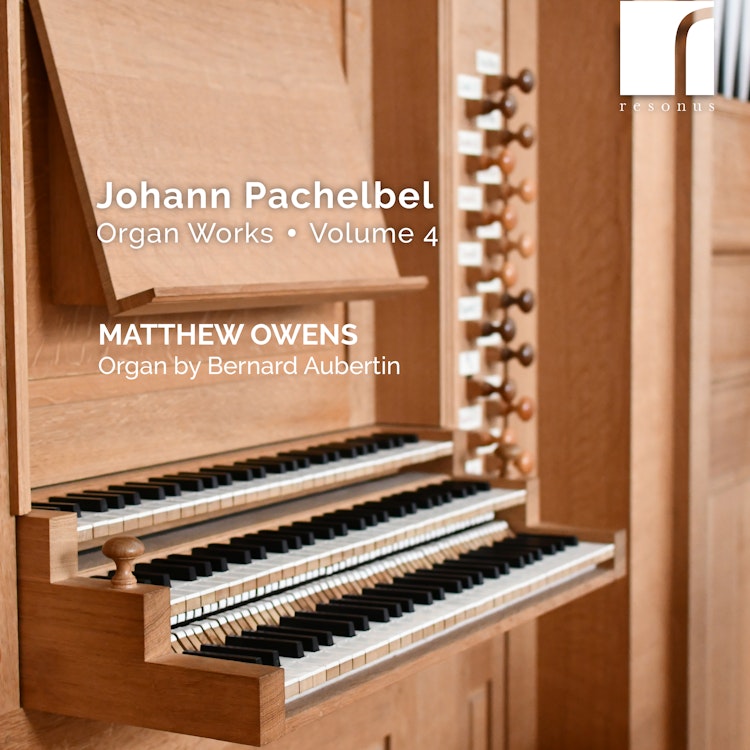
Pachelbel's Magnificat Fugues octavi toni is a set of thirteen fugal movements, part of a larger group of ninety-four Magnificat fugues he wrote during his final employment period as organist at the Sebaldiskirche in Nuremberg (1695-1706).
Compositional Technique
Pachelbel's Fantasia in G minor uses dissonant harmonies over sustained notes, invoking the durezza e ligatura style used by Italian organists like Girolamo Frescobaldi to suggest the mystery of transubstantiation.
Composer's Artistic Vision
Pachelbel's fantasias explore a free style of composition, reflecting the stylus phantasticus, which was 'bound to nothing, neither to words nor to a melodic subject' and intended to display the composer's 'ingenium' (innate qualities and imagination).
Composer Biography
Johann Pachelbel, though spending formative years in Catholic Vienna, was a Lutheran and worked for Lutheran churches or courts for most of his career.
Compositional Technique
Pachelbel's name is synonymous with a type of chorale prelude that begins with a brief fugue on the first line of the chorale, before the entire chorale is stated harmonized in the top voice.
Performer Biography
Matthew Owens, the organist on this recording, is the Founder and Music Director of the Ulster Consort and has previously directed music at St Mary's Episcopal Cathedral, Edinburgh, and Wells Cathedral.
Composition History
Many of Pachelbel's chorale preludes were written during his time as organist at the Predigerkirche in Erfurt (1678-1690), where his contract required him to accompany congregational singing.
You might also enjoy...
Organ Recital: Scholze, Hansjurgen – Clerambault, L.N. / Pachelbel, J. / Mozart, W.A. / Bach, J,S.