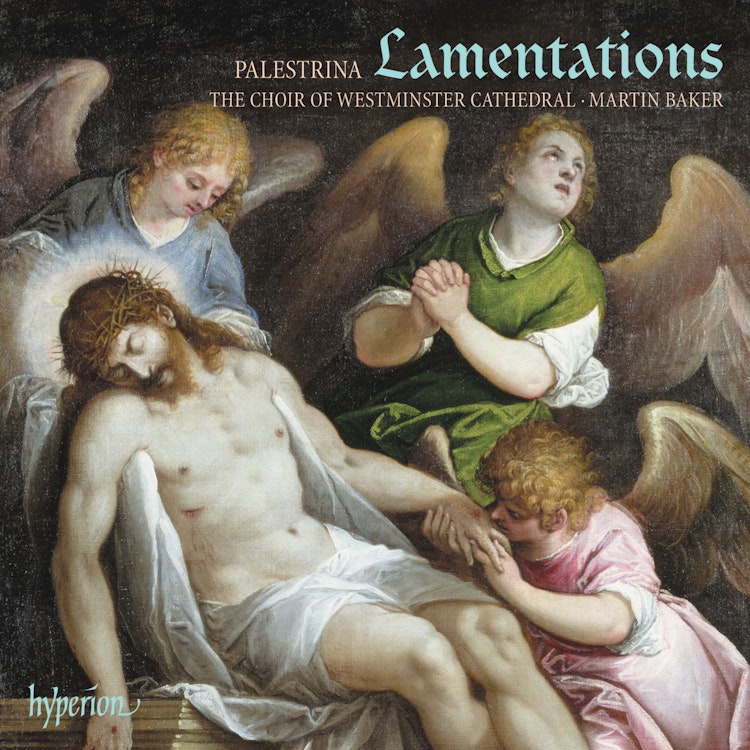
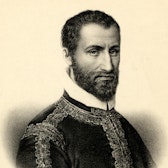
Giovanni Pierluigi da Palestrina, born around 1525, received his first musical training in Rome at S Maria Maggiore, where he was listed as a choirboy in October 1537.
Composition History
The Lamentations of Jeremiah settings on this album come from the Roman liturgy for Holy Week, which commemorates central events of the Christian religion.
Compositional Technique
Palestrina's settings of the Lamentations include the Hebrew prefatory letters (like Aleph, Beth, Vau) as reflective, often melismatic, interludes to the main text.
Historical Context
The Tenebrae service, part of the Holy Week liturgy, involved progressively extinguishing candles in the church, culminating in the hiding of the last candle to signify Christ's death.
Composer's Artistic Vision
Palestrina used a rich harmonic palette and flexible modality to avoid monotony in his Lamentations settings, creating contrast between the main narrative and non-liturgical elements.
Performer Biography
The Choir of Westminster Cathedral is acclaimed as one of the world's great choirs and is the only Catholic Cathedral choir in the world to sing daily Mass and Vespers.
Composer Biography
Palestrina was dismissed from the Pope's official chapel, the Cappella Sistina, in 1555 because he was married, as the new Pope Paul IV insisted on celibacy for its members.
You might also enjoy...
Sabbato Sancto - Paolo Aretino: Lamentationes et Responsoria
Codex Speciálník
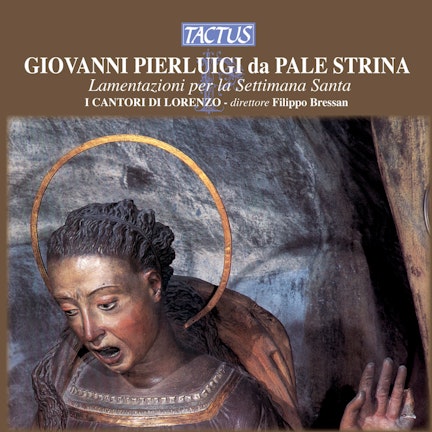
Palestrina: Lamentazioni per la Settimana Santa
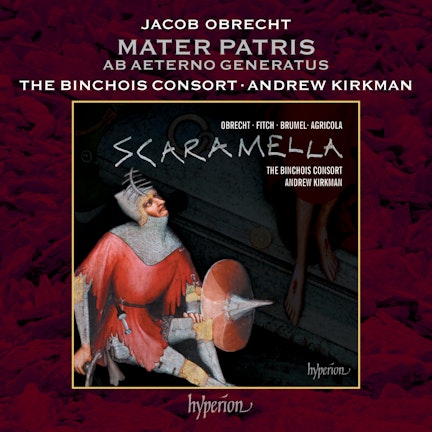
Obrecht: Mater Patris (Reconstr. Weller): II. Ab aeterno
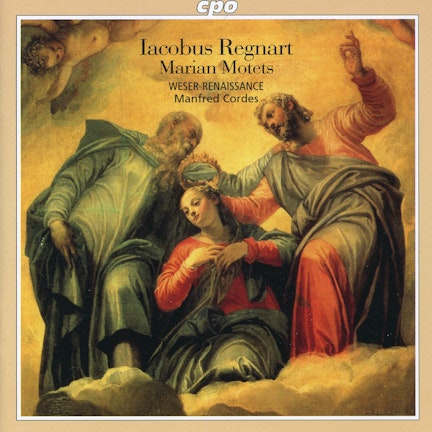
Regnart: Marian Motets
Lejeune: Dix Pseaumes de David
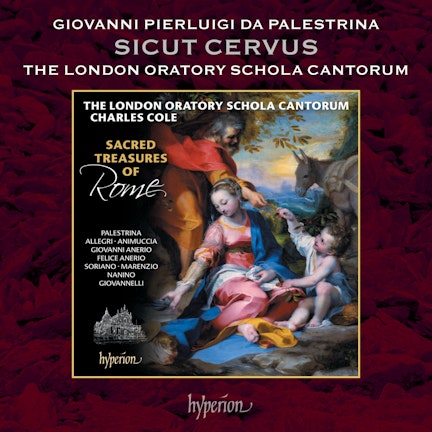
Palestrina: Sicut cervus: I. Sicut cervus desiderat
Robert Fayrfax: Maria plena virtute
Lalande: Leçons de Ténèbres
Sweelinck: Psaumes & Magnificat
Tallis: Queen Katherine Parr & Songs of Reformation